

ダウンロード
場所
Online
Co-organizer
登録情報
This is a past event. Registration is no longer possible.
This is a public event. Please be aware that audio-visual recordings may be made, stored, and published during and after the event.
 Follow us on Bluesky.
DIJ Mailing Lists
Please subscribe below to stay informed about our research activities, events & publications:
Workshop: Digital Capitalism & Varieties of Science
2026年3月12日 - 2026年3月13日
Convenors: Stefan Böschen, Harald Kümmerle, Nicole Müller
In recent years, digital technologies have not only given rise to new sociocultural realities, thus reshaping economies, but have begun to profoundly alter the ways in which knowledge is produced, validated, and disseminated. Against this backdrop, this workshop explored the intersection of varieties of science and varieties of digital capitalism through a comparative and interdisciplinary lens. Starting from specific digital technologies—particularly the metaverse, extended reality, and human augmentation—we examined distinct institutional, cultural, and epistemic configurations.
Our focus lies especially on Japan, which has been characterized as a coordinated market economy alongside Germany. The workshop adopted an approach that investigates how science and capitalism co-evolve under conditions of digital transformation—understood here as a topic for critical inquiry (following Stolterman and Croon Fors 2004). Moving beyond modernization theory, we asked how digital tools and platforms take shape across a range of socio-political contexts, and how they in turn affect knowledge regimes and research practices.
By bringing together perspectives from STS, economics, and Japanese studies, along with insights from practice, the workshop sought to open-up a productive dialogue on how emerging technologies, digital capitalism, and scientific cultures co-constitute one another—across regions, disciplines, and epistemic traditions. We hold that the case of Japan, the first non-Western country to become an advanced economy and fertile spawning ground for technoscientific imaginations and attributions, offers particularly valuable insights into these processes.
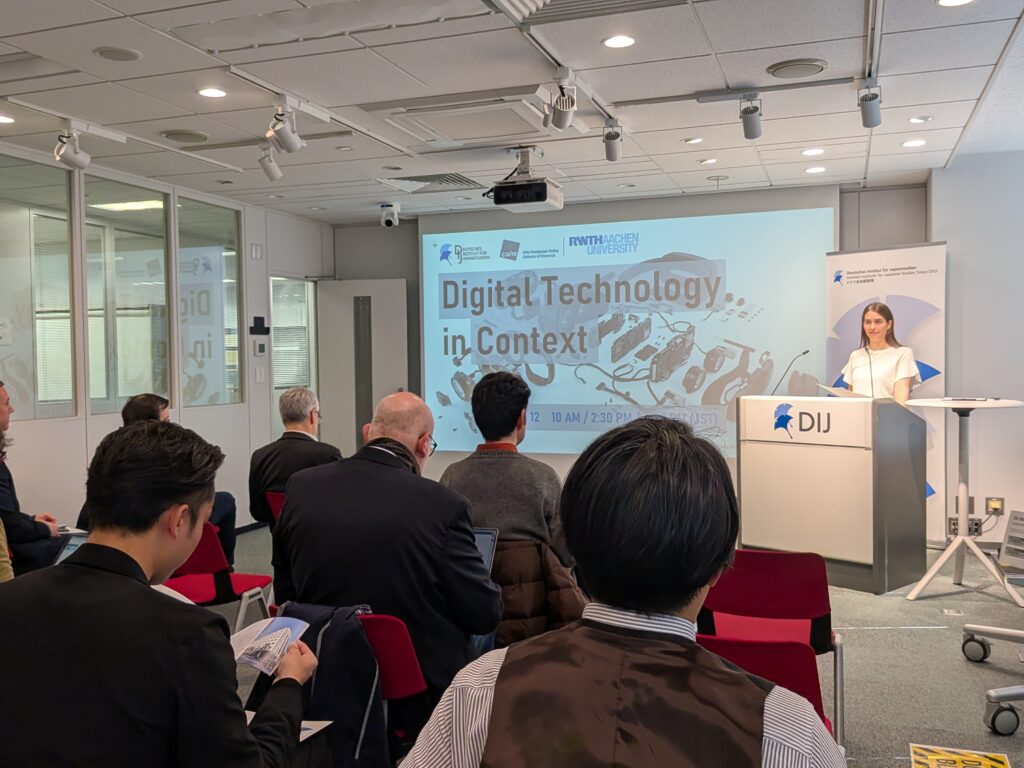
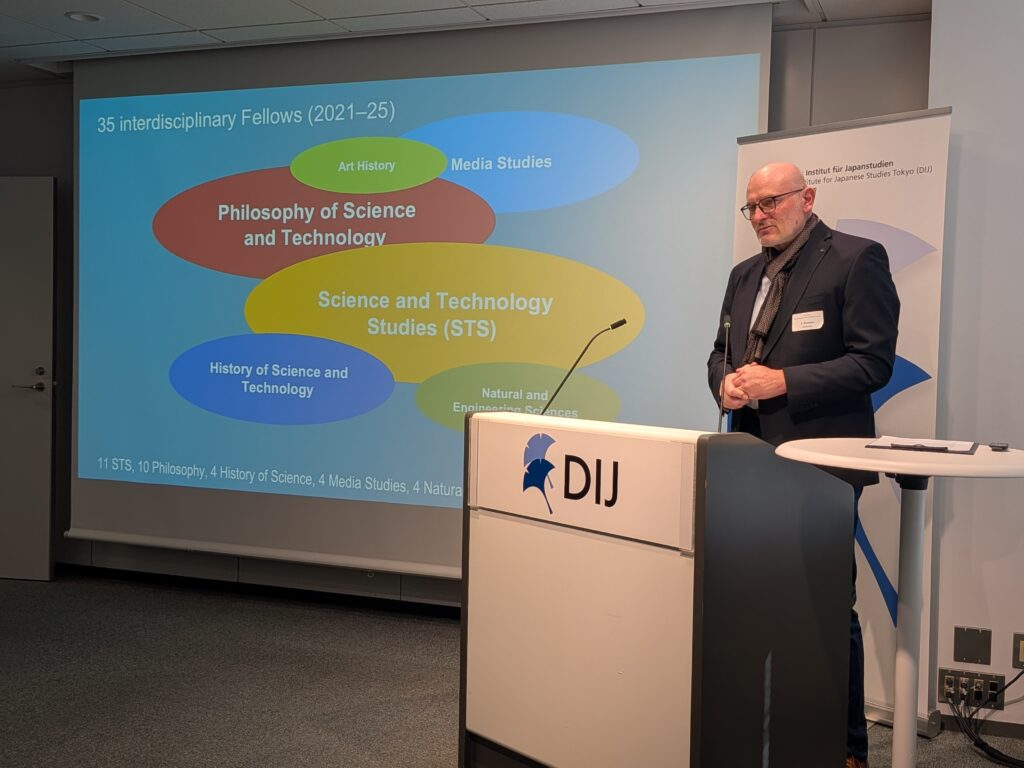
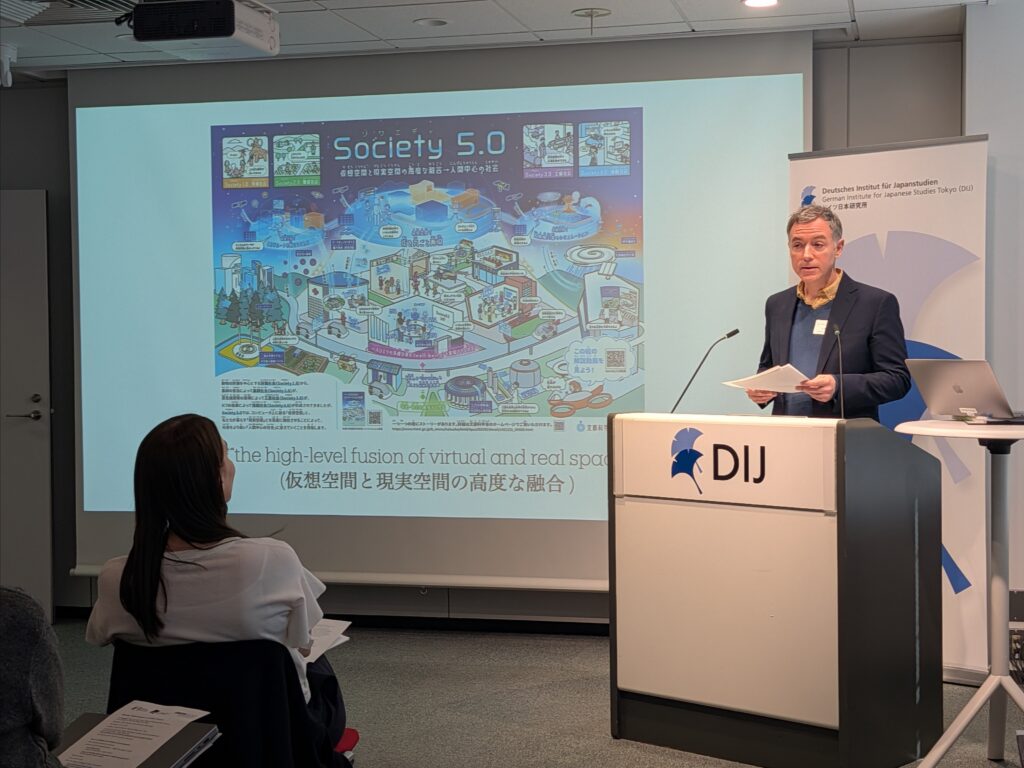
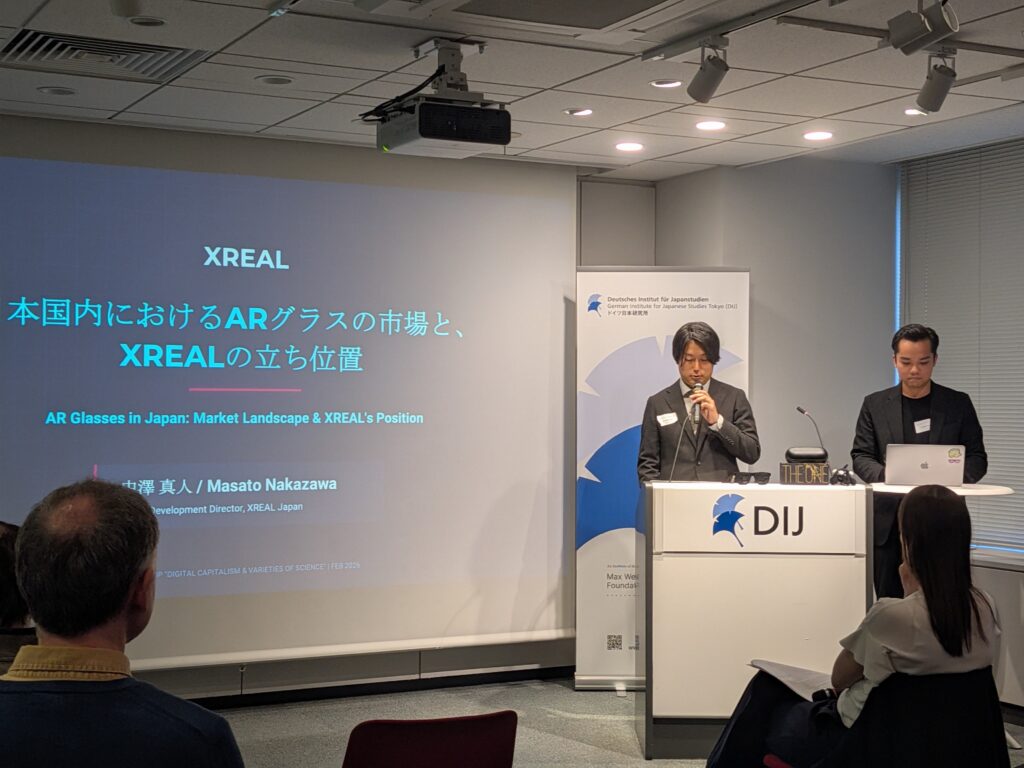
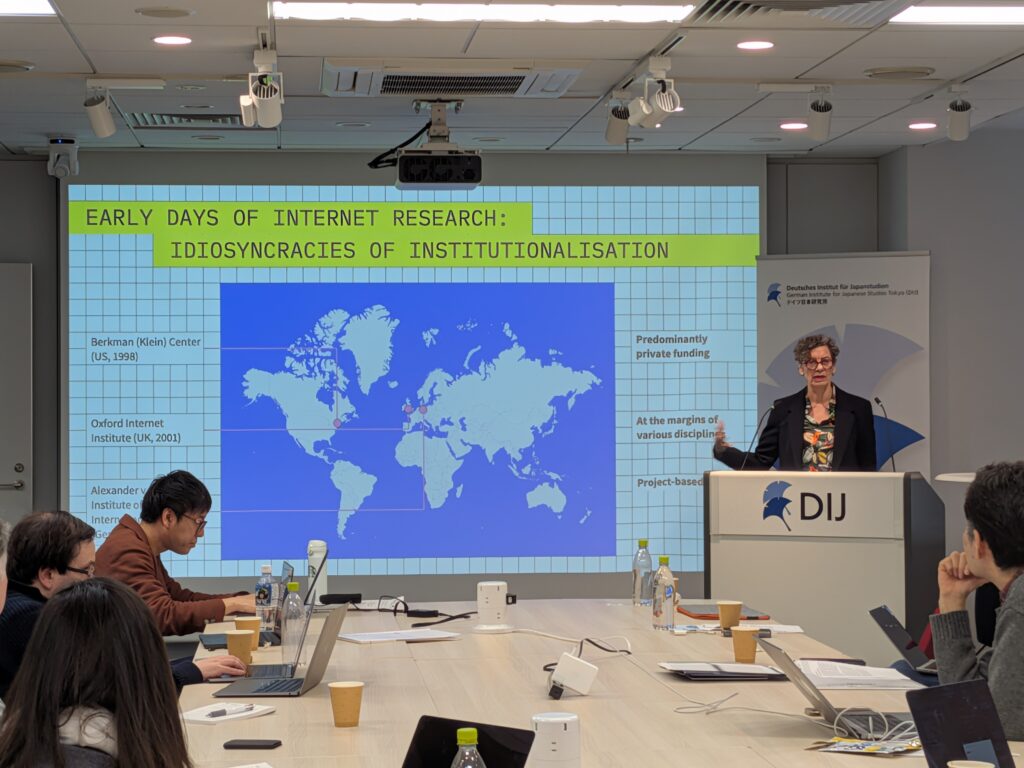
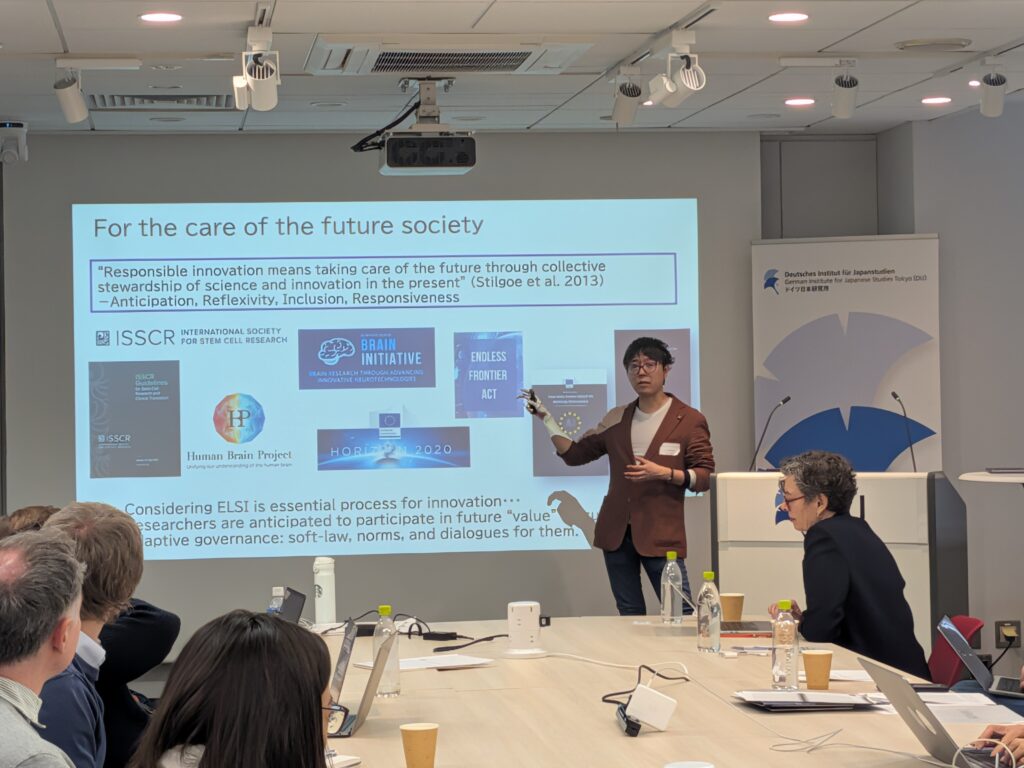
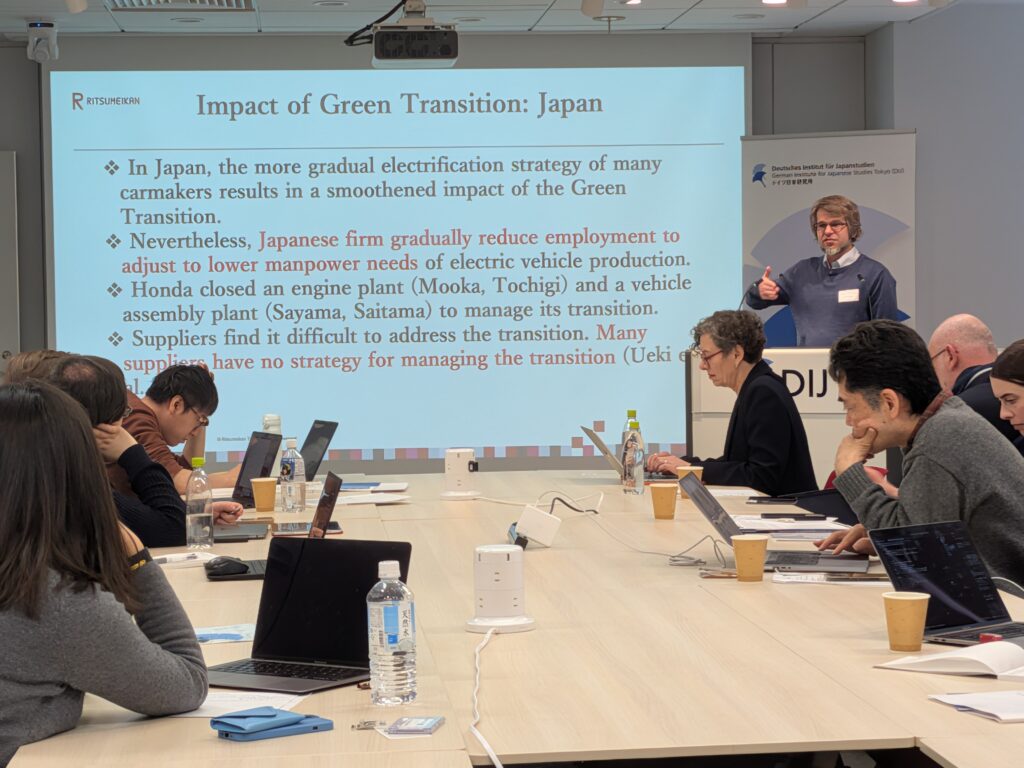
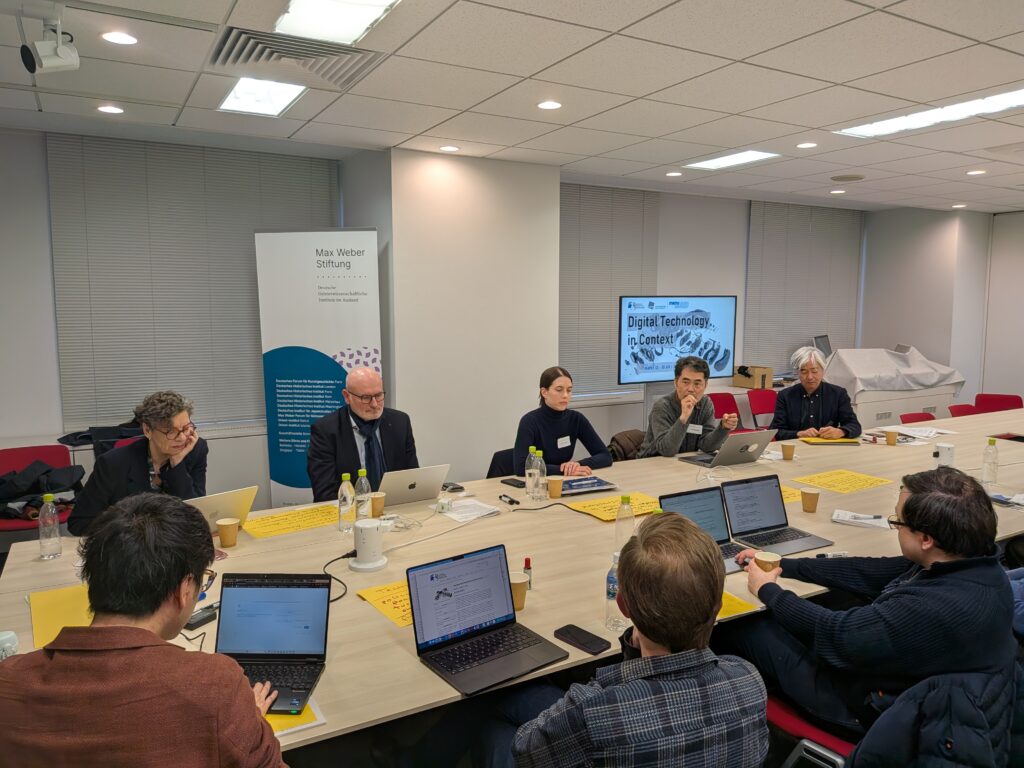
PROGRAM
March 12, 2026/Day One (available via online livestream):
10:00–10:30 AM: Welcome & Introduction
10:30 AM–12:30 PM: Exploration Space 1: Digital Technology in Context
Paul ROQUET (MIT)
Contrasts of Computation: Japan in 3DCG
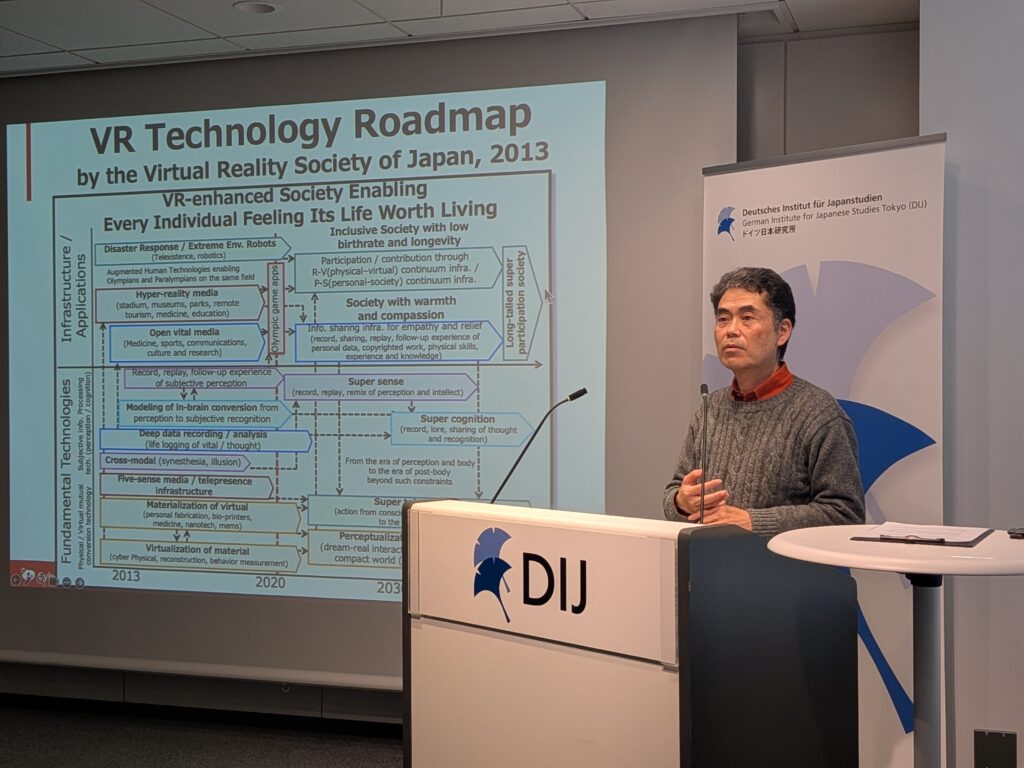
Kiyoshi KIYOKAWA (NAIST Cybernetics & Reality Engineering Lab)
XR Technologies for Social Inclusion
Jan-Hendrik PASSOTH (Viadrina Frankfurt/Oder)
Multiple Interoperabilities: Making Data Work in German, Ukrainian, and South African Administration
2:30–4 PM: Digital Technology in Context: Practitioners I
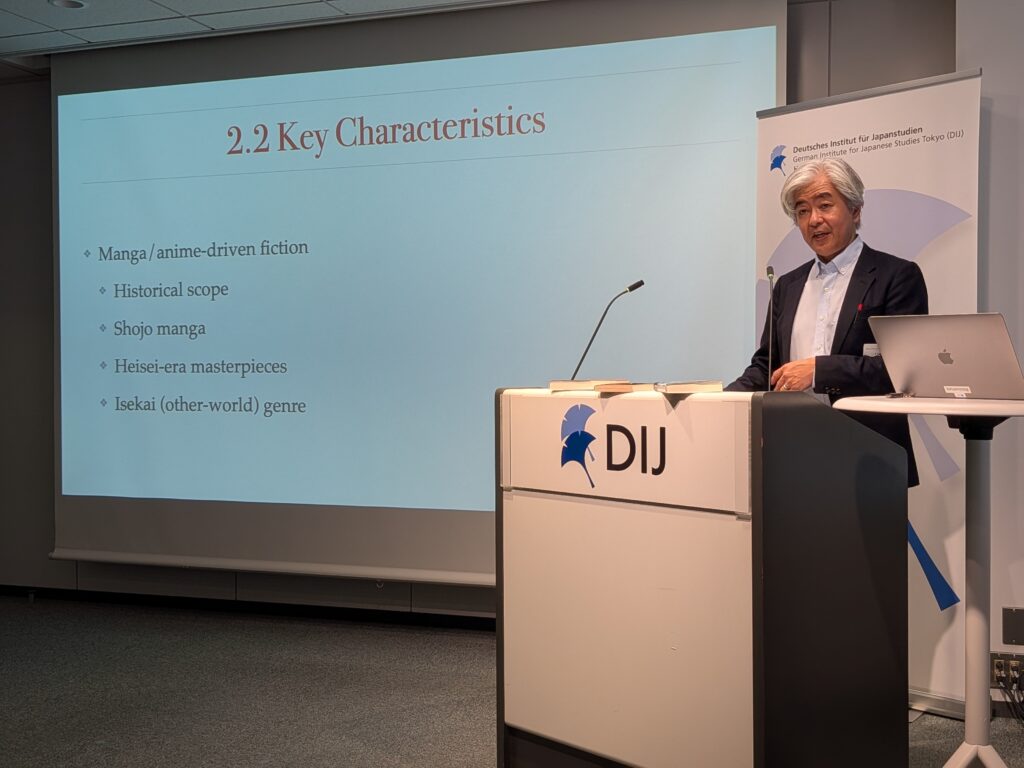
Taiyō FUJII (Science Fiction Author)
Development of Japanese SF and Its Contribution to Society
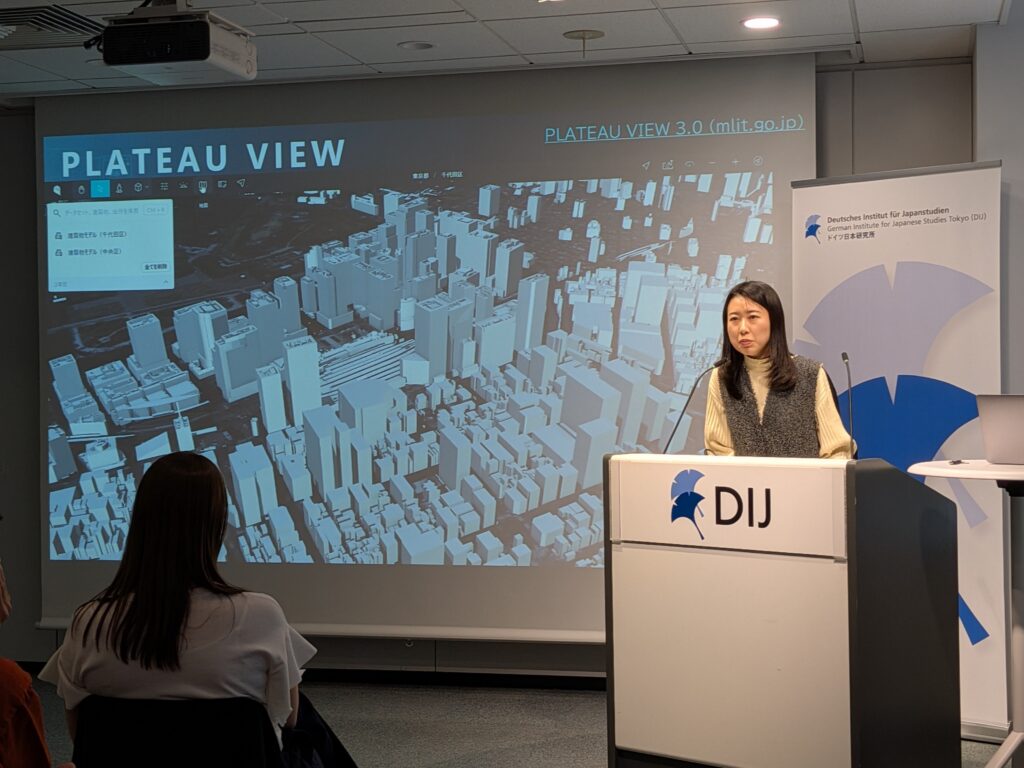
Yuka SOGAWA (MLIT/Project Plateau)
Project PLATEAU: Japan’s Urban Digital Twin Initiative
Yoshitomo IWAMOTO (Lenovo Japan)
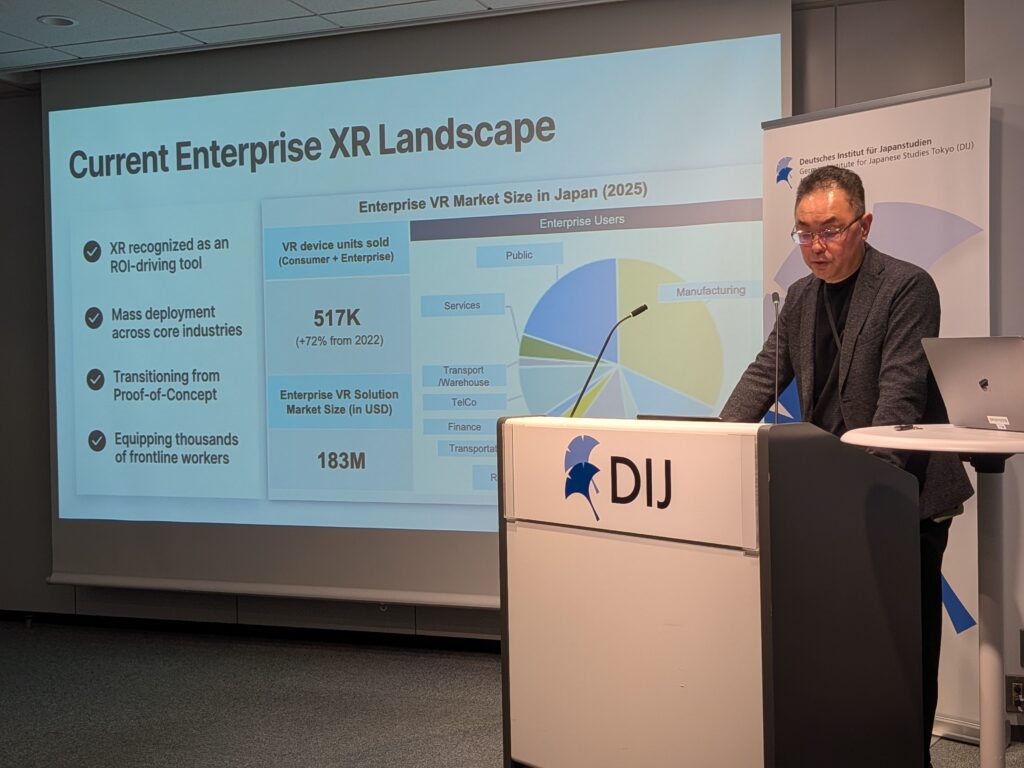
Industrial XR: From Device-Centric Tools to Platform-Oriented Infrastructures
4:30–5:30 PM: Digital Technology in Context: Practitioners II
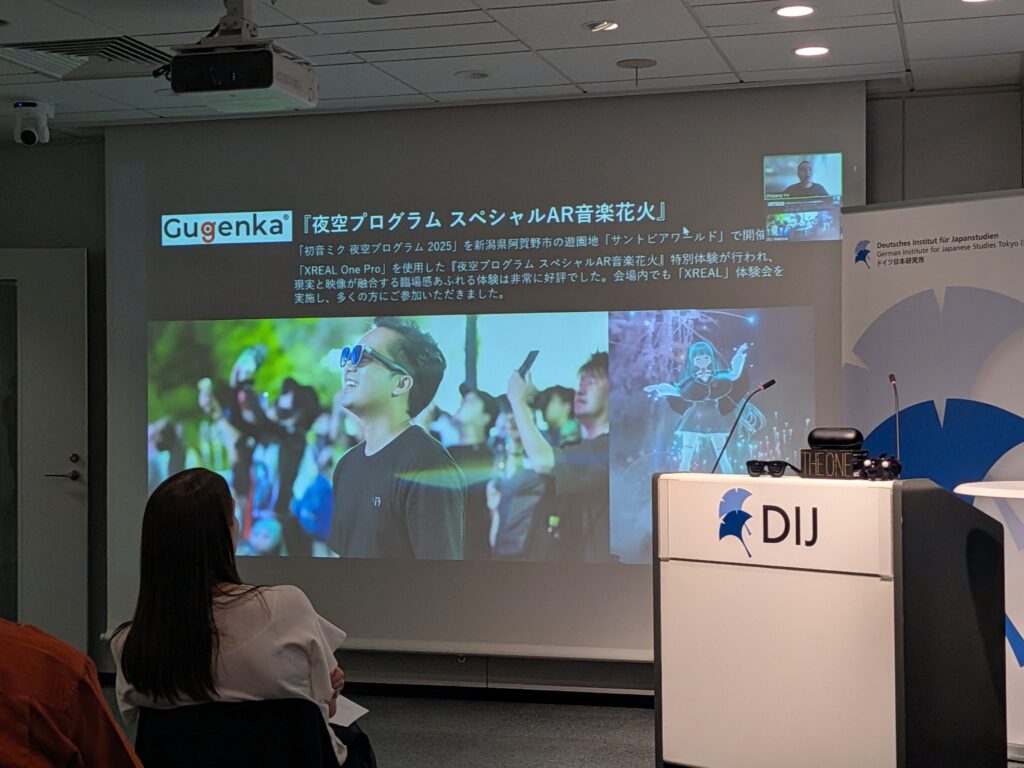
Zhiqiang YIN (APAC General Manager, XREAL)
Makoto NAKAZAWA (XREAL Japan)
————————————-
March 13, 2026/Day Two (not open to the public):
10–11:30 AM: Exploration Space 2: Varieties of Digital Capitalism
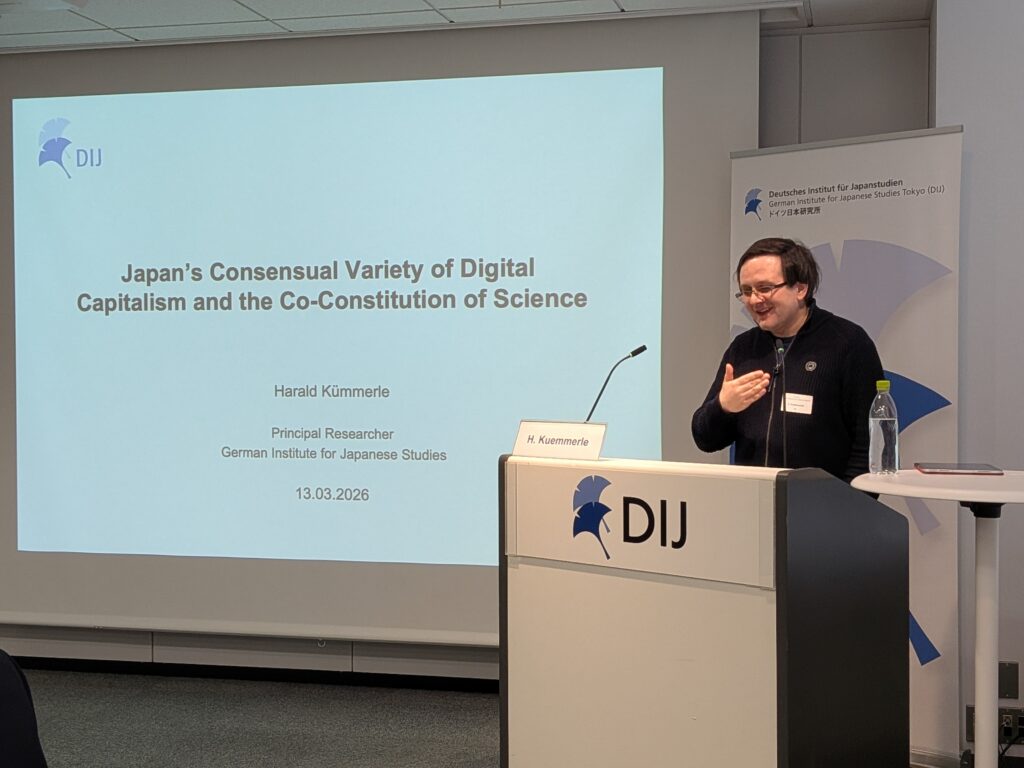
Harald KUEMMERLE (DIJ Tokyo)
Japan’s Consensual Variety of Digital Capitalism and the Co-Constitution of Science
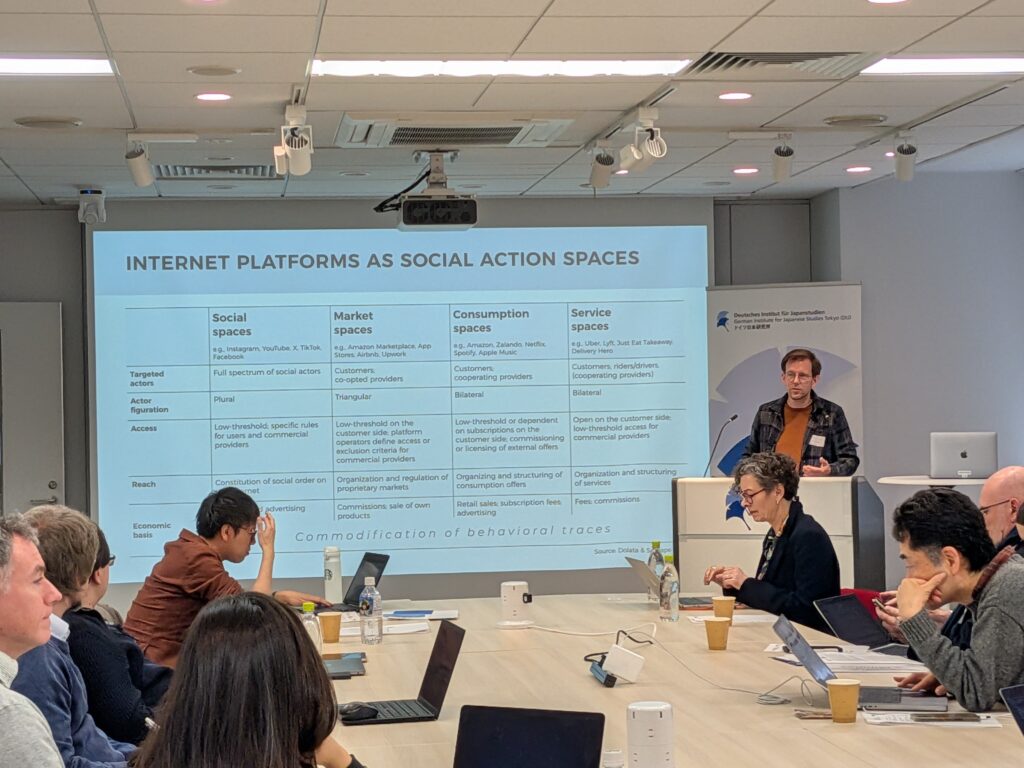
Jan-Felix SCHRAPE (University of Stuttgart)
Varieties of Platform Capitalism
Martin SCHROEDER (Ritsumeikan University)
Digital and Green Transformations of Japan’s automotive industry and implications of its Variety of Capitalism
1:30–3 PM: Exploration Space 3: Varieties of Science
Ryuma SHINEHA (Keio University)
Responsible Innovation in the digital and cybernetic age
Jeanette HOFMANN (WZB Berlin)
Varieties of digitalisation research
3:45–5:15 PM: Discussion: Digital Capitalism & Varieties of Science
5:15–5:30 PM: Concluding Remarks