
ダウンロード
場所
DIJ Tokyo (access) and online
登録情報
For on-site participation: Please register via email to neuhaus[at]dijtokyo.org until June 8, 2026.
For online participation: Please register via zoom.
The DIJ Study Group is a forum for scholars from all disciplines conducting research on contemporary or modern Japan. The event is open to all. This session is organized by Dolf-Alexander Neuhaus.
Please be aware that audio-visual recordings may be made, stored, and published during and after the event.
 Follow us on Bluesky.
DIJ Mailing Lists
Please subscribe below to stay informed about our research activities, events & publications:
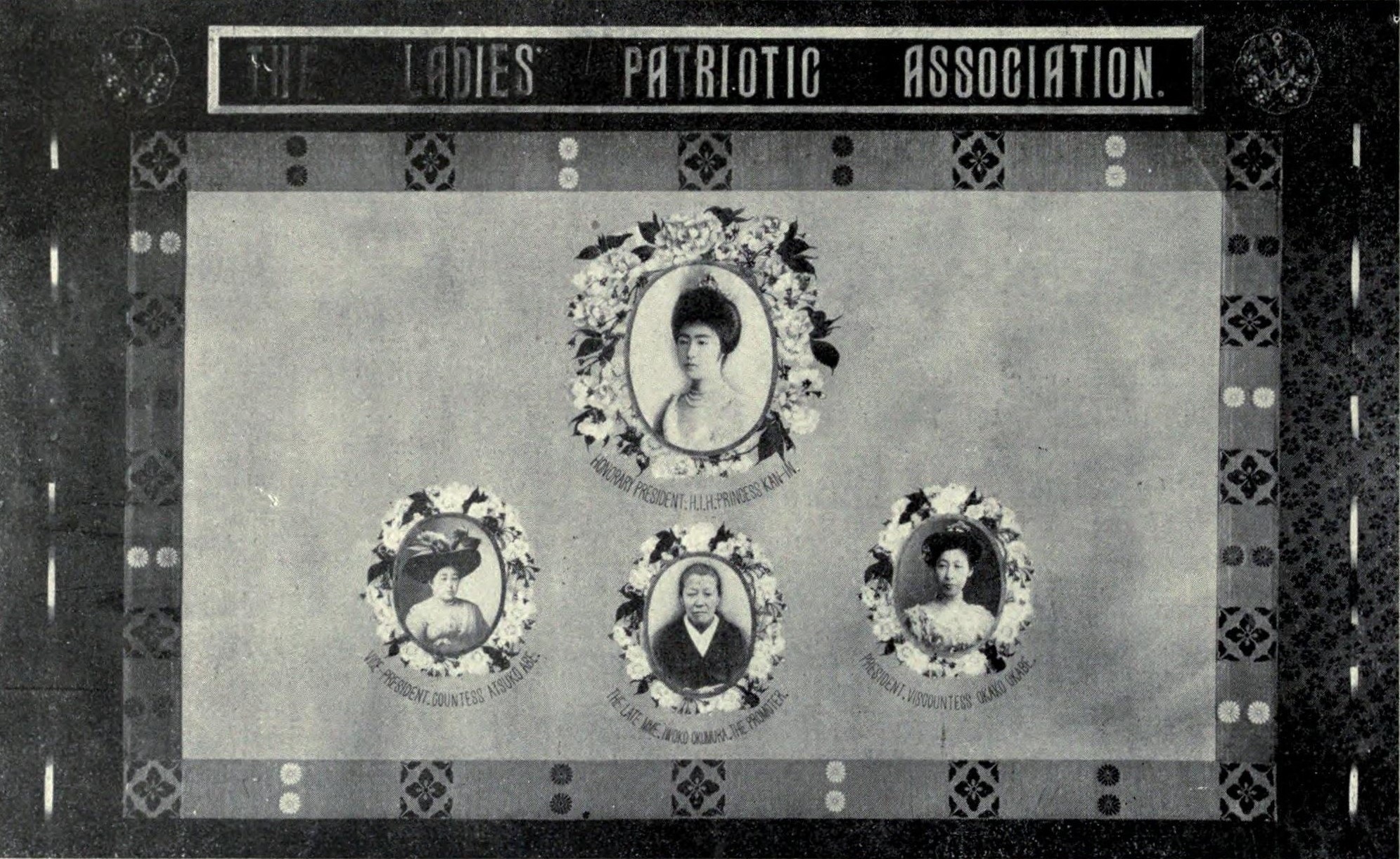
The Aikoku Fujinkai and Social Welfare Work in Colonial Taiwan and Korea
2026年6月9日 / 6.30 pm (JST) / 11.30 am (CEST)
Among the many women’s organisations emerging in late 19th- and early 20th-century Japan, the Aikoku Fujinkai was one of the most prominent. Founded in 1901 by Okumura Ioko to support the Imperial Army through donations and aid supplies, it soon expanded into colonised Taiwan and Korea, where it recruited not only Japanese but also Taiwanese and Korean women as members. State-sanctioned women’s organisations like the Aikoku Fujinkai are often portrayed primarily as instruments for mobilising women in support of imperial expansion and war. Yet while the Aikoku Fujinkai actively promoted imperialist and militarist agendas, it pursued distinctly gendered objectives through large-scale social welfare projects focused on women and children. In this presentation, I will share insights from my recent archival fieldwork in Tokyo to discuss how the Aikoku Fujinkai’s social welfare work in interwar Taiwan and Korea can be interpreted within the political and social context of Japanese colonialism.
This talk is based on my dissertation research, which examines the participation of women in Japan’s colonial empire through their membership in women’s organisations in Korea, Taiwan, and Manchuria. Drawing on multilingual archival fieldwork, it explores how Japanese and colonised women envisioned the Japanese empire, carved out spaces of influence within the colonial system, and interacted with each other across ethnic boundaries. By applying a gender lens to the historical analysis of women’s organising, social welfare work, and colonial governance, I seek to move beyond binary portrayals of women as either passive victims of state mobilisation or fervent supporters of the Japanese colonial project. Instead, I highlight the complex needs, aspirations, and forms of agency women pursued within the colonial system.