
Download
Veranstaltungsort
DIJ Tokyo (access) and online
Supported by

Anmeldung
This is a past event. Registration is no longer available.
 Follow us on Bluesky.
DIJ Mailing Lists
Please subscribe below to stay informed about our research activities, events & publications:
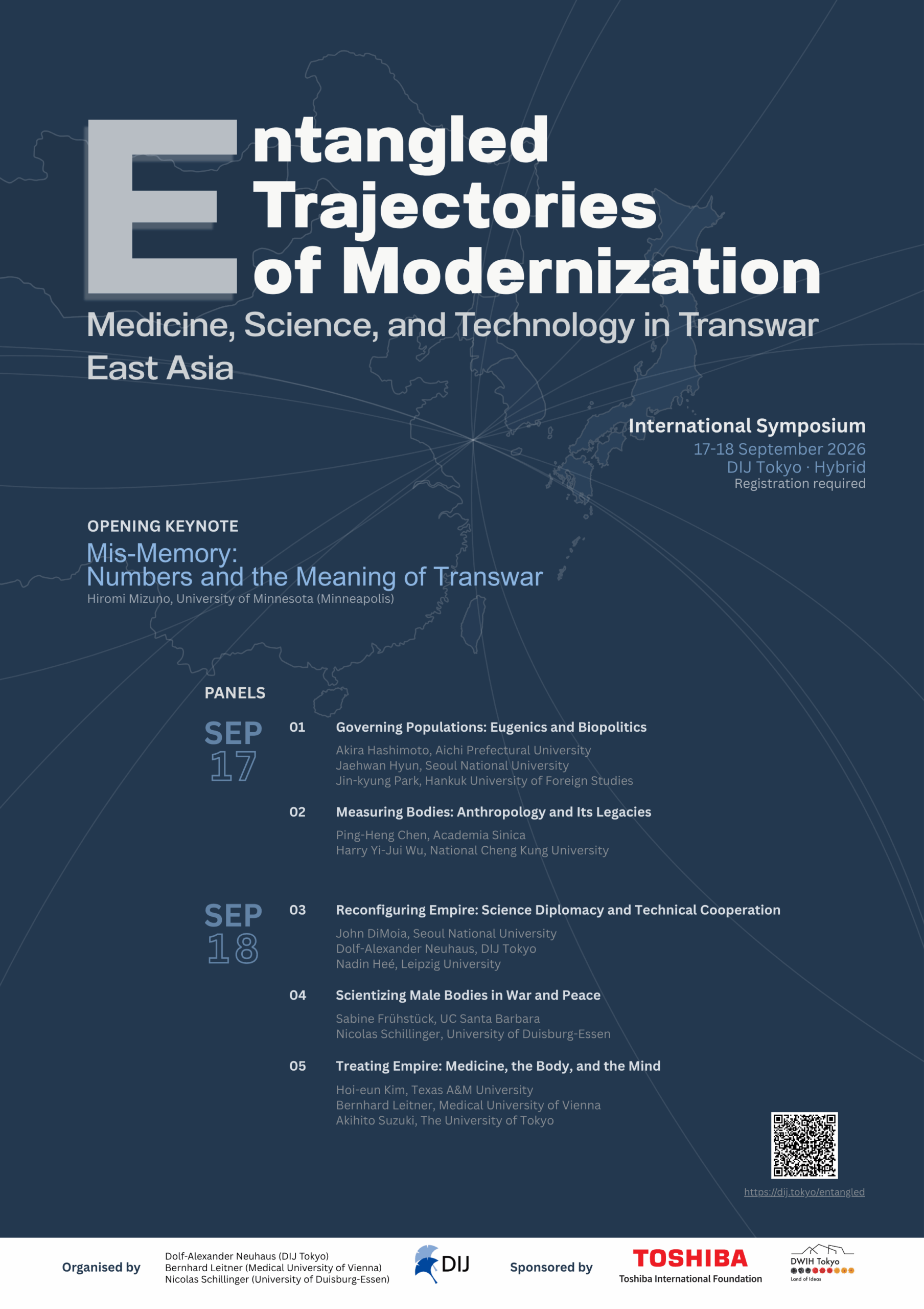
Entangled Trajectories of Modernization: Medicine, Science, and Technology in Transwar East Asia
17. September - 18. September 2026
Organizers: Dolf-Alexander Neuhaus (DIJ Tokyo), Bernhard Leitner (Medical University of Vienna), Nicolas Schillinger (University of Duisburg-Essen)
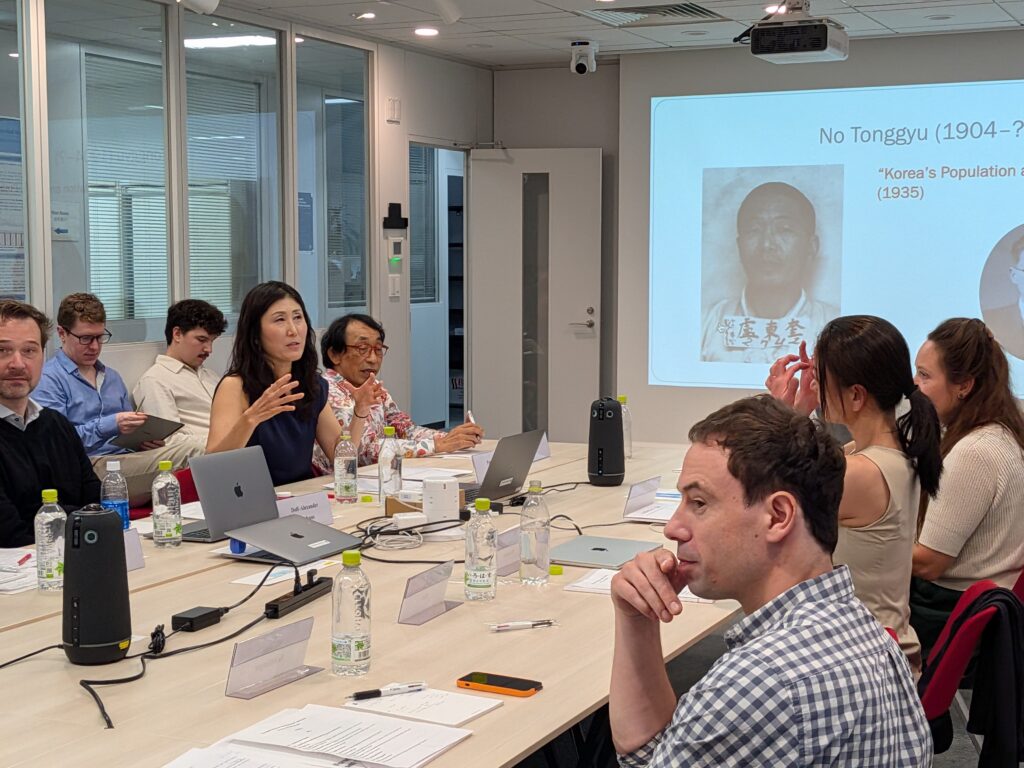
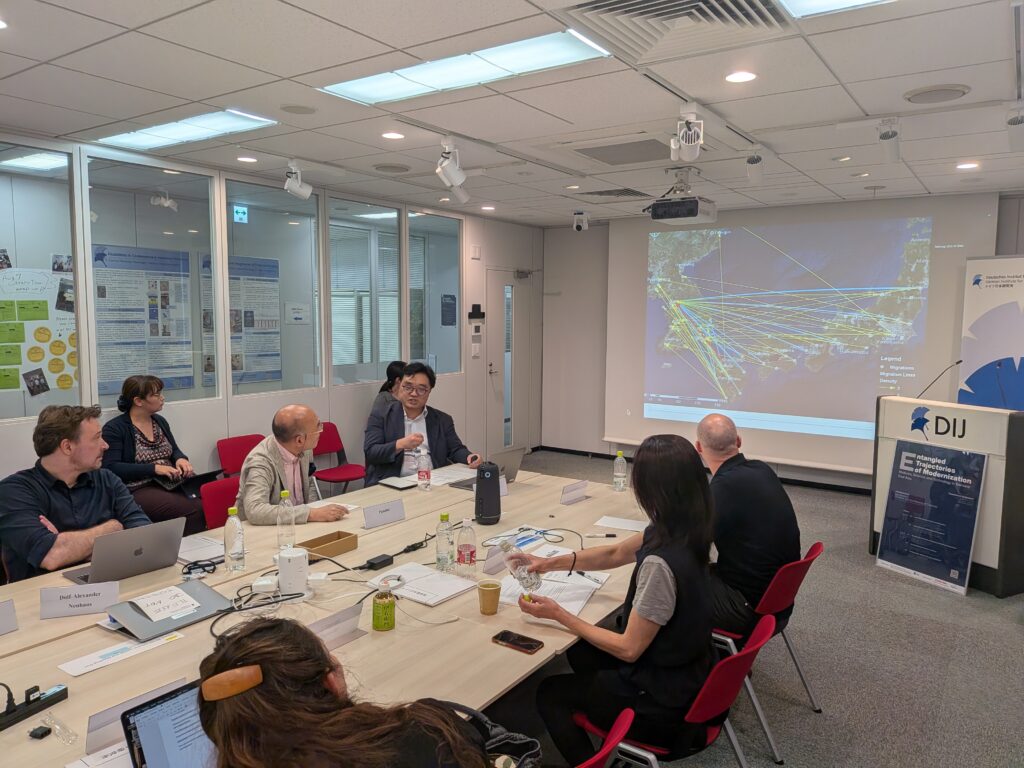
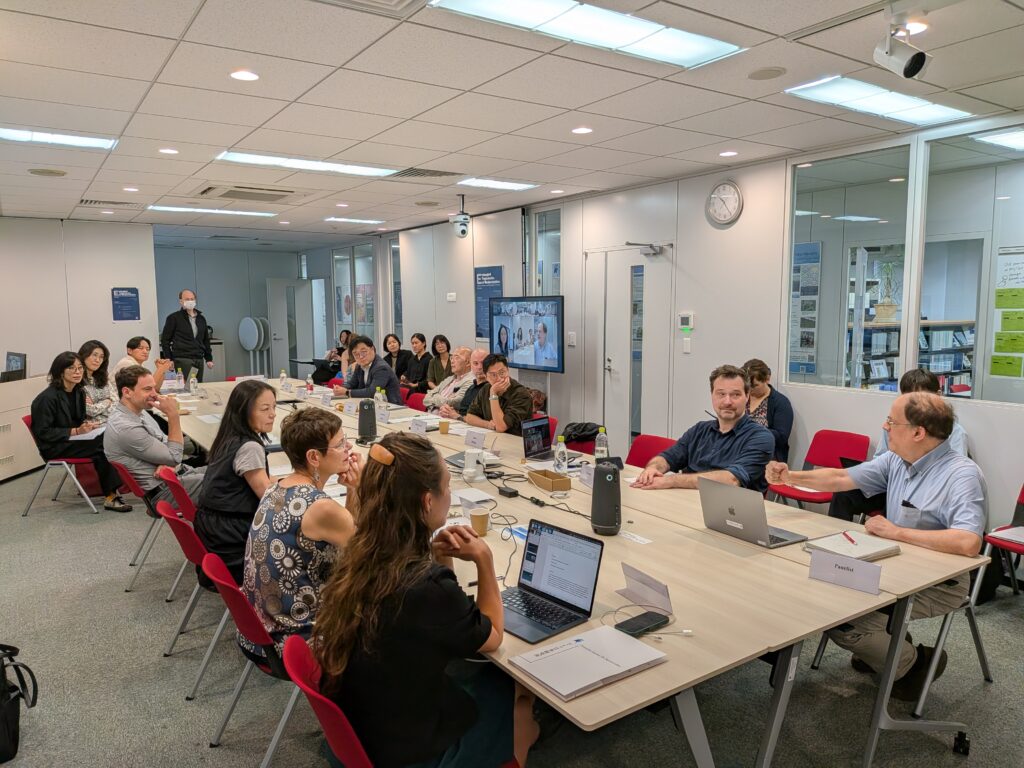
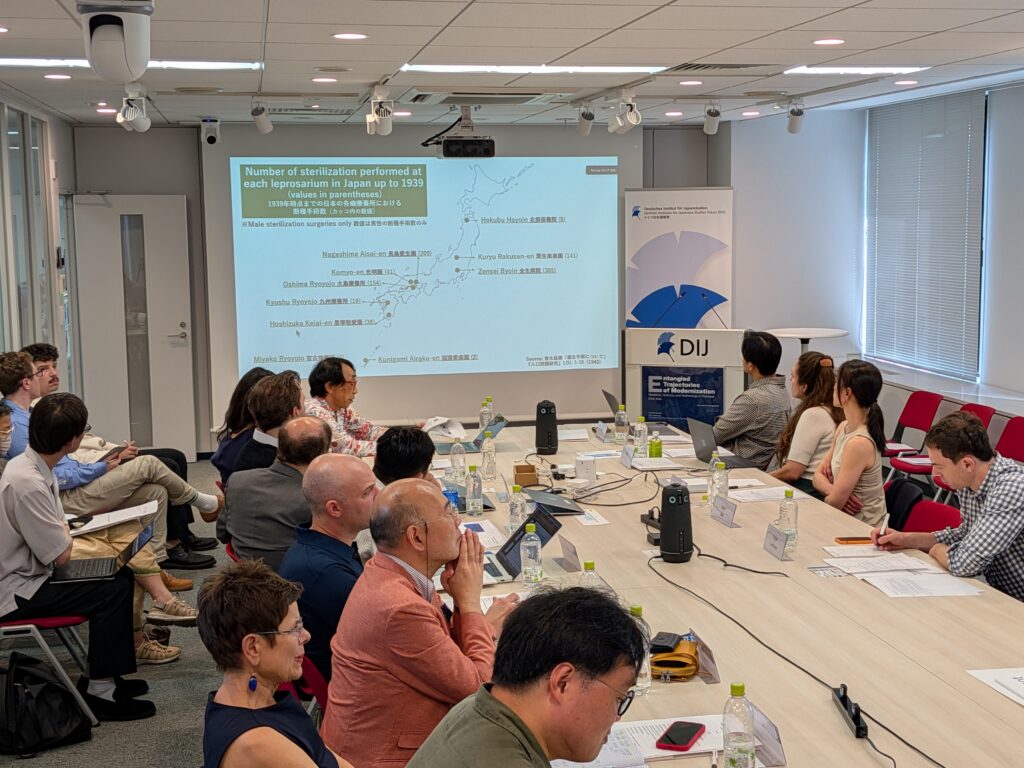
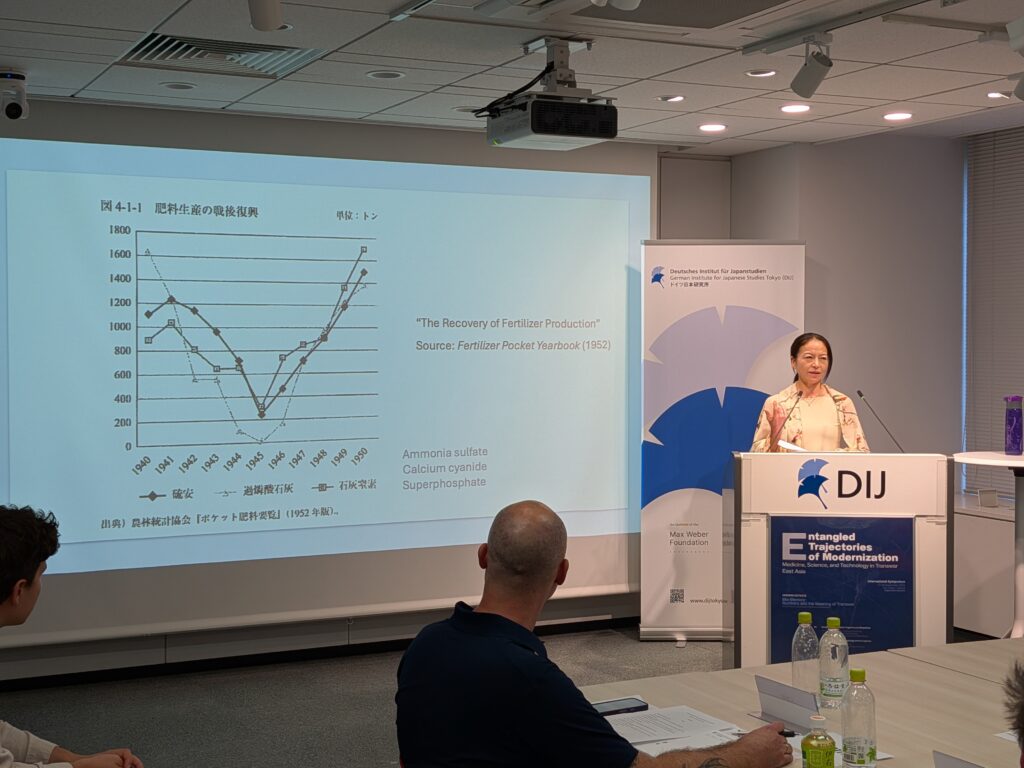
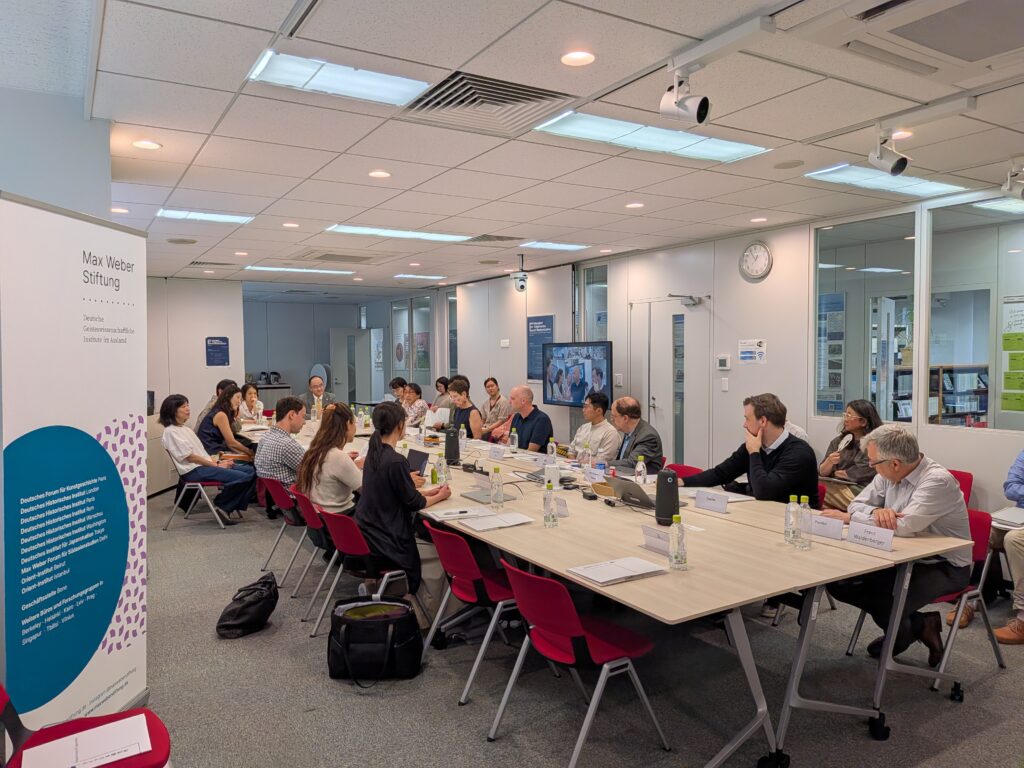
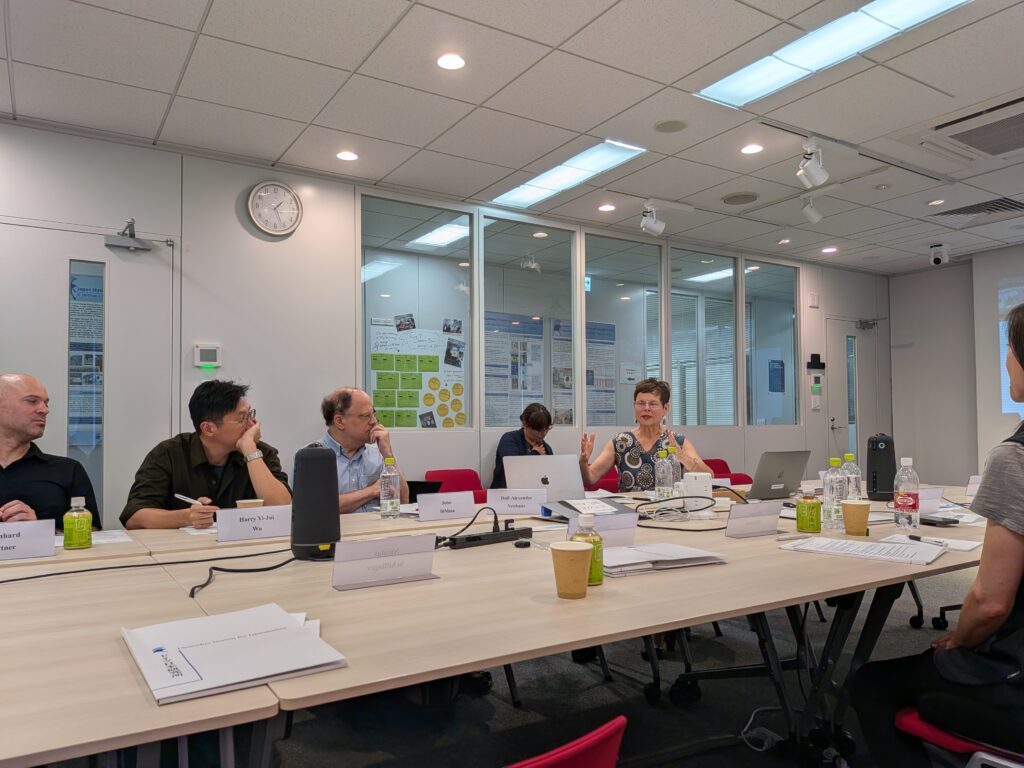
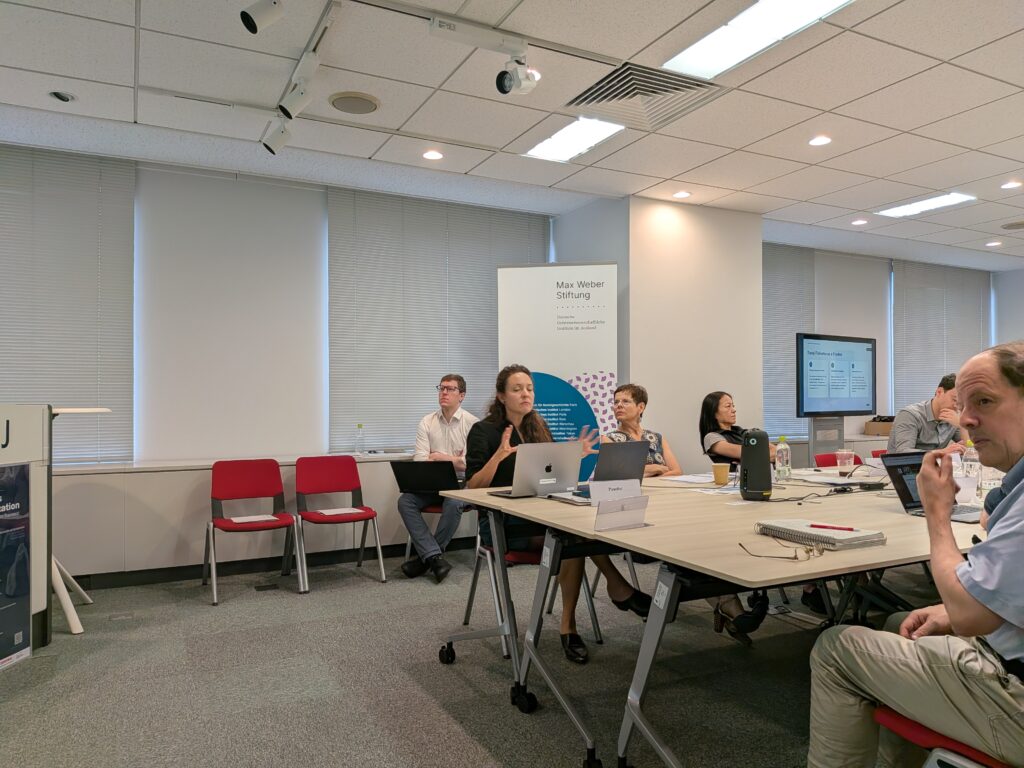
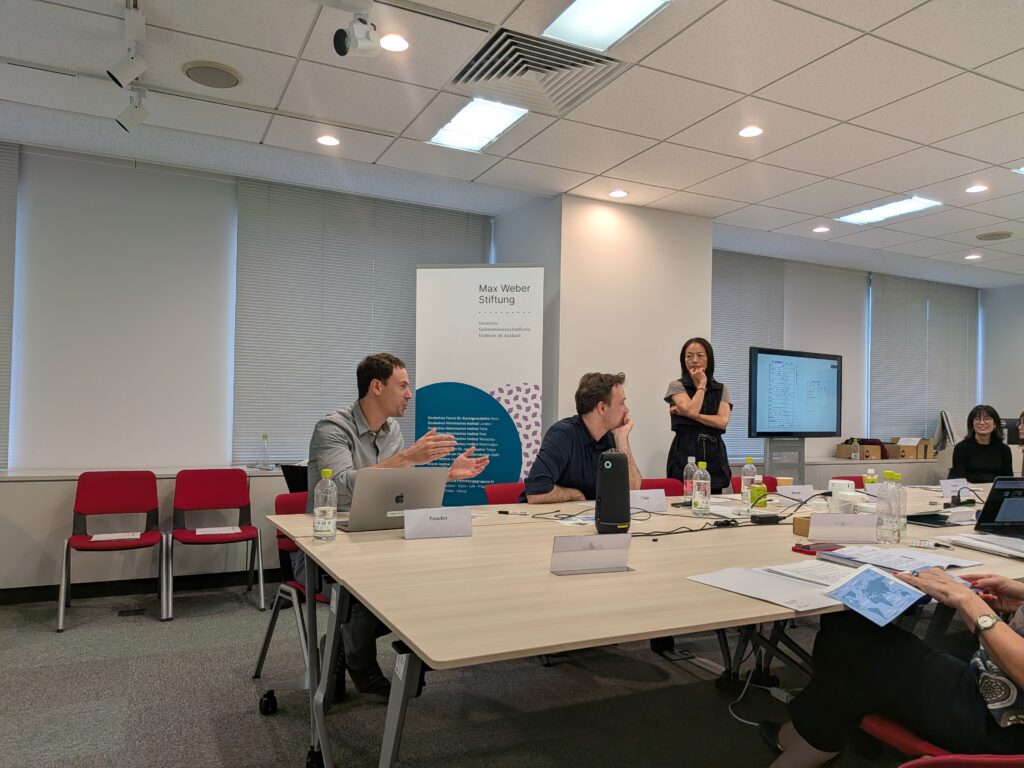
This symposium explored the critical transition from the 1930s to the 1960s, a period marked by colonization, war, and postwar reconstruction in East Asia. Focusing on Japan, Korea and Taiwan, the event highlighted the intertwined development of medicine, science, and technology across imperial legacies, Cold War geopolitics, and rapid modernization. By bringing together historians of science, technology, and medicine, the conference uncovered how shared histories and divergent paths shaped state-building, institutional reform, and knowledge production in these nations. Through comparative and transnational perspectives, the symposium invited new insights into the collaborative and contested processes that defined, and still define, the region’s future.
A report of the symposium is available here (PDF).
PROGRAM
DAY 1
12:45 – 13:00 Welcome Address
13:00 – 14:30 Panel 1: Governing Populations: Eugenics and Biopolitics
Chair: Nadin Heé
Jin-kyung Park: “Spatializing the Population Problem: Empire, Nation, and the Geopolitics of Population in Colonial Korea”
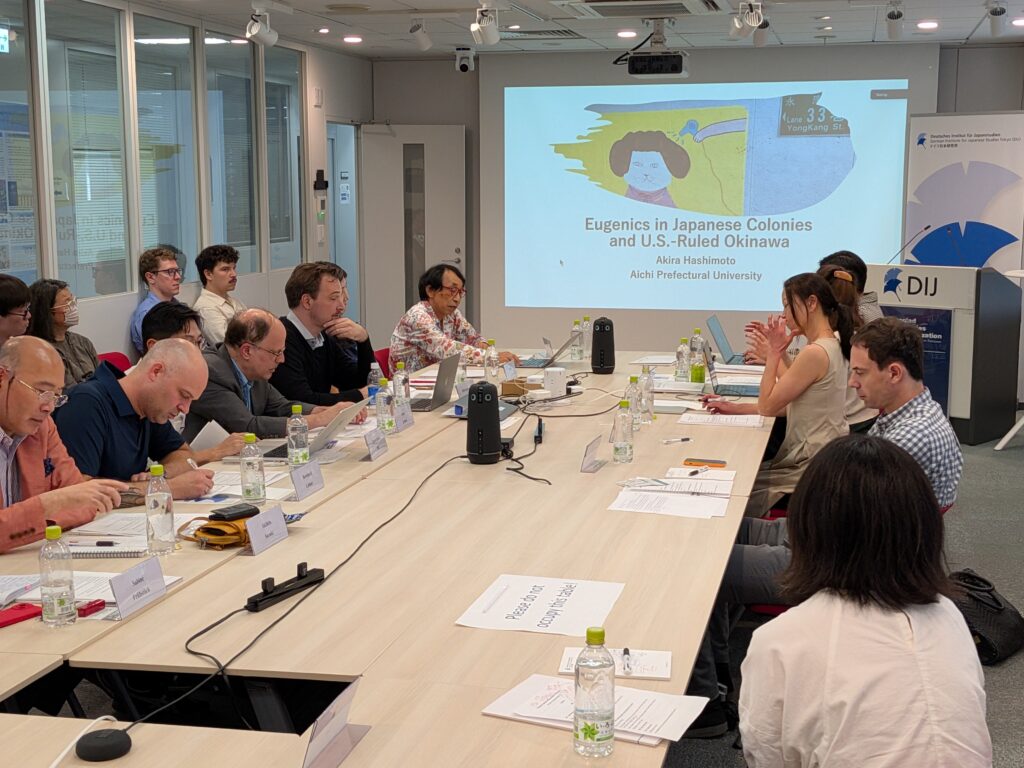
Akira Hashimoto: “Eugenics in Japanese Colonies and U.S.-Ruled Okinawa”
Jaehwan Hyun: “Constructing the Zainichi population: Transwar Eugenic Legacies and the Japan-Korea Public Health Network”
14:30 – 15:00 Coffee Break
15:00 – 16:00 Panel 2: Measuring Bodies: Anthropology and Its Legacies
Chair: Nicolas Schillinger
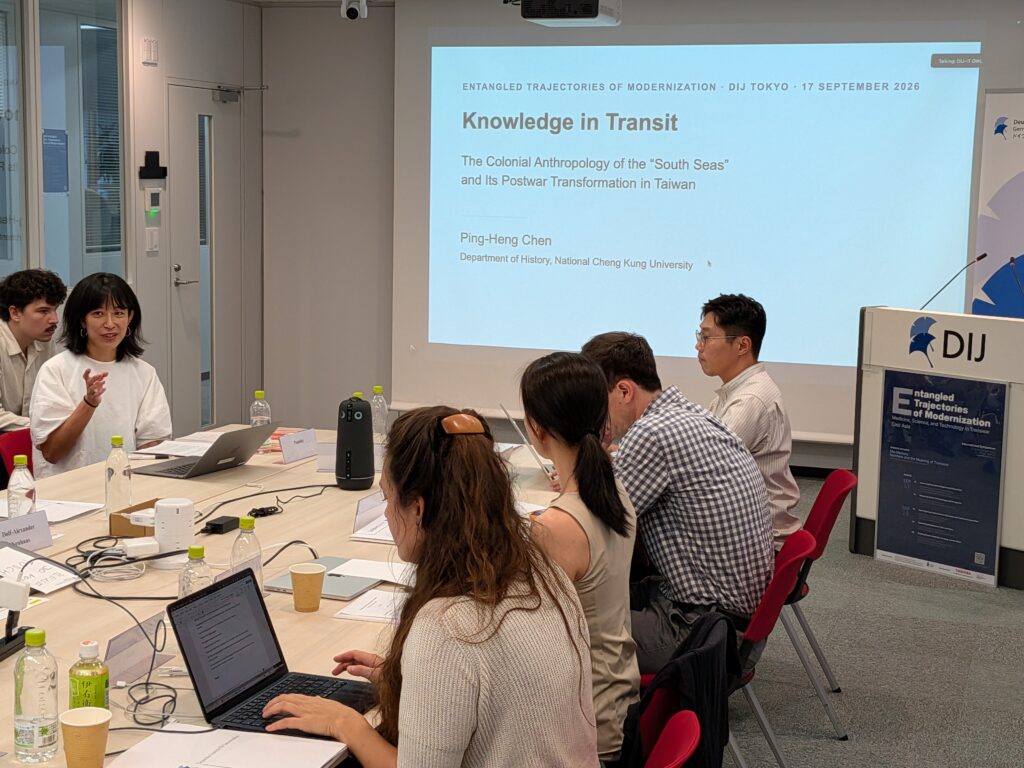
Ping-Heng Chen: “Knowledge in Transit: The Colonial Anthropology of the “South Seas” and Its Postwar Transformation in Taiwan”
Harry Yi-Jui Wu: “From Colonial Body to National Strength: The Transformation of Physical Anthropology in Postwar Taiwan”
16:00 – 16:30 Coffee Break
16:30 – 17:30 Keynote
Chair: Bernhard Leitner
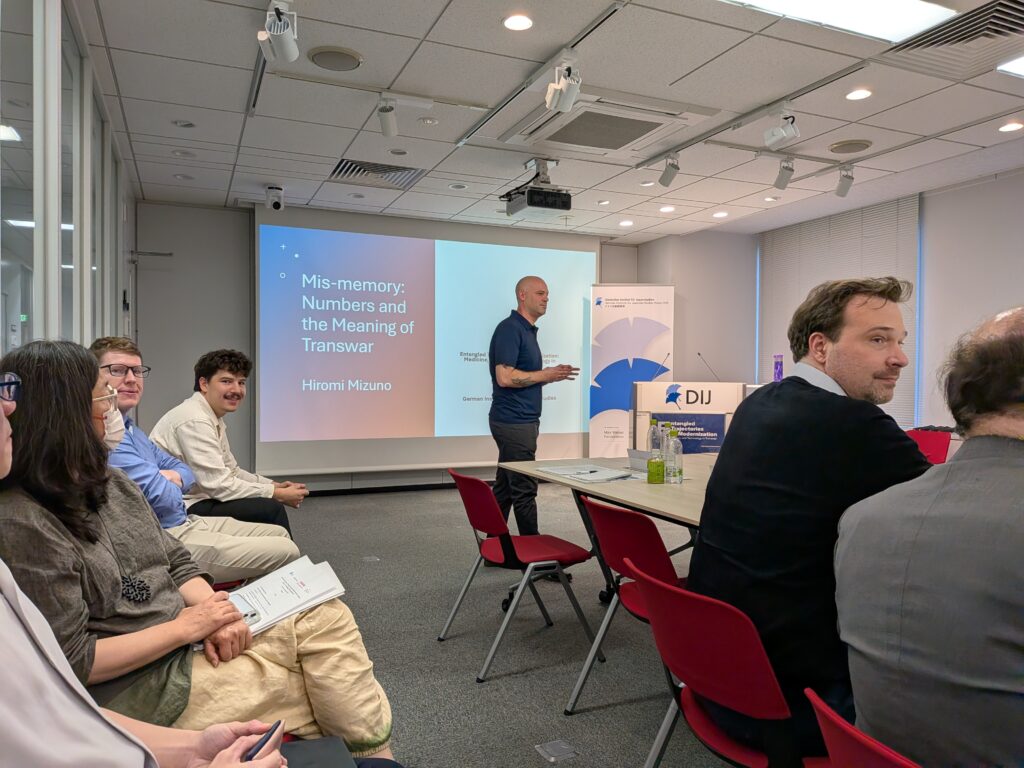
Hiromi Mizuno: “Mis-memory: Numbers and the Meaning of Transwar”
DAY 2
10:00 – 11:30 Panel 3: Reconfiguring Empire: Science Diplomacy and Technical Cooperation
Chair: Sabine Frühstück
John DiMoia: “Emerging Medical Networks in Post-Colonial South Korea, 1954-early 1970s”
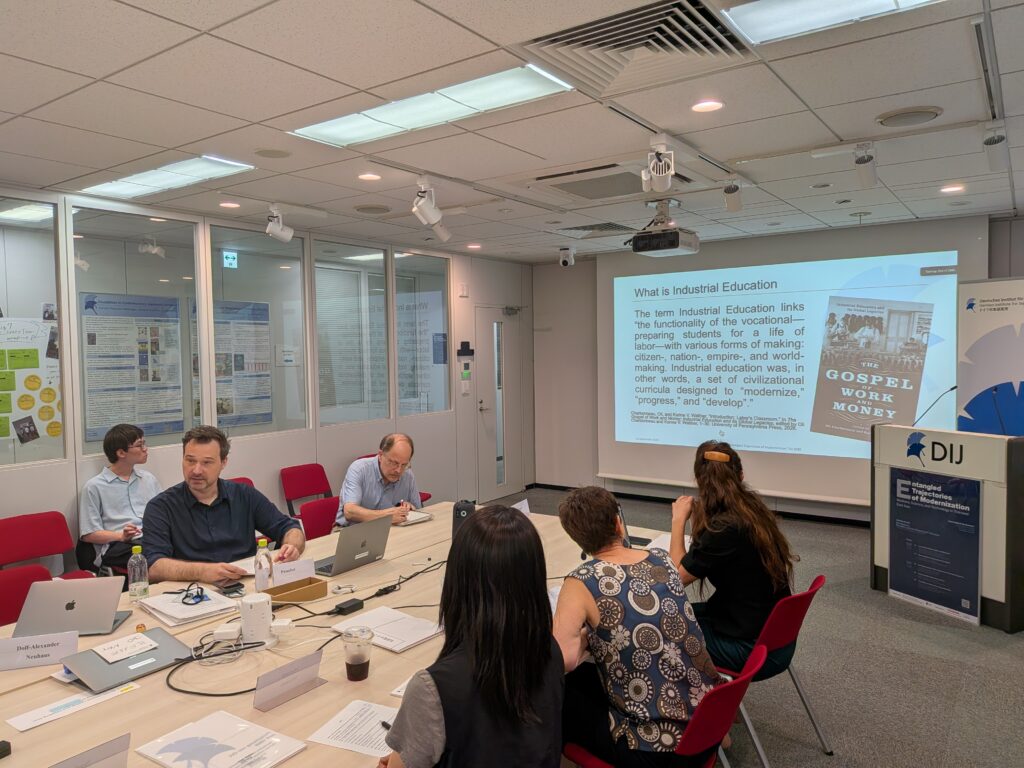
Dolf-Alexander Neuhaus: “Industrial education for Koreans under Japanese colonial rule and its postwar legacies, 1910s – 1960s”
Nadin Heé: “Currents of Empire: Transwar Oceanic Science, Fisheries Diplomacy, and Transimperial Species”
11:30 – 13:00 Lunch Break
13:00 – 14:00 Panel 4: Scientizing Male Bodies in War and Peace
Chair: Dolf-Alexander Neuhaus
Sabine Frühstück: “Naked Truths: Male Bodies and Scientific Knowledge in Transwar East Asia”
Nicolas Schillinger: “Scientific Warfare and the Bodies of Soldiers in the Republican Chinese Army”
14:00 – 14:30 Coffee Break
14:30 – 16:00 Panel 5: Treating Empire: Medicine, the Body, and the Mind
Chair: Hiromi Mizuno
Hoi-eun Kim: “You Are What You Eat: Hot Peppers, Colonial Gynecology, and Female Frailty in Colonial Korea”
Bernhard Leitner: “Sickness as a Cure for Empire: Transnational Malaria-Therapy Research in Austria, Japan, Korea and Taiwan from the 1930s”
Akihito Suzuki: “Urban Psychiatry, Rural Culture, and Patients’ Imagination: Reading ‘Stories of the Dreams of an Idiot’ (1937)”
16:00 – 16:30 Coffee Break
16:30 – 17:00 Final Discussion & Closing Remarks