イベント&アクティビティ
NIRA/DIJ共同オピニオンペーパー
『COVID-19 によるパンデミックの経済的影響への対応』
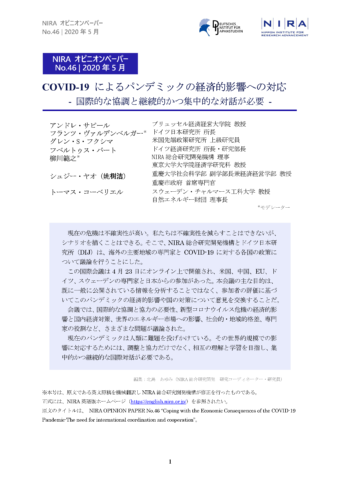 現在の危機は不確実性が高い。私たちは不確実性を減らすことはできないが、 シナリオを描くことはできる。そこで、NIRA 総合研究開発機構とドイツ日本研 究所(DIJ)は、海外の主要地域の専門家と COVID-19 に対する各国の政策に ついて議論を行うことにした。この国際会議は 4 月 23 日にオンライン上で開催され、米国、中国、ベルギー、ド イツ、スウェーデンの専門家と日本からの参加があった。本会議の主な目的は、 既に一般に公開されている情報を分析することではなく、参加者の評価に基づ いてこのパンデミックの経済的影響や国の対策について意見を交換することだ。会議では、国際的な協調と協力の必要性、新型コロナウイルス危機の経済的影 響と国内経済対策、世界のエネルギー市場への影響、社会的・地域的格差、専門 家の役割など、さまざまな問題が議論された。現在のパンデミックは人類に難題を投げかけている。その世界的規模での影 響に対応するためには、調整と協力だけでなく、相互の理解と学習を目指し、集中的かつ継続的な国際対話が必要である。NIRAとDIJの共同オピニオンペーパーの全項目はこちらです。
Book publication on Japan and the Tokyo Olympics
 Japan Through the Lens of the Tokyo Olympics (Routledge 2020) situates the 2020 Tokyo Olympics within the social, economic and political challenges for Japan. Tokyo 2020 is constructed to embrace diversity and inclusiveness in society, foster sustainability, boost Japan’s economy, and create a feeling of unity and pride for the country. Irrespective of the Olympic’s postponement or potential cancellation, this book explains the multifaceted impact of the Tokyo Olympics on Tokyo, on Japan and on its society, businesses, and its self-identity. Written by leading experts on Japan, this volume assembles 34 easily accessible chapters covering all relevant aspects of society, economics, culture, and politics incl. technology, food, security, work, media, sexuality, history, film, linguistics, volunteering, architecture, advertising, and – of course – sports! Project page
Edited by Barbara Holthus, Isaac Gagné, Wolfram Manzenreiter, and Franz Waldenberger, this book contains many contributions by current and former DIJ researchers. It is now available in paperback, hardcover and as open access book.
Book chapter on Decline and Diversification in Coastal Fisheries
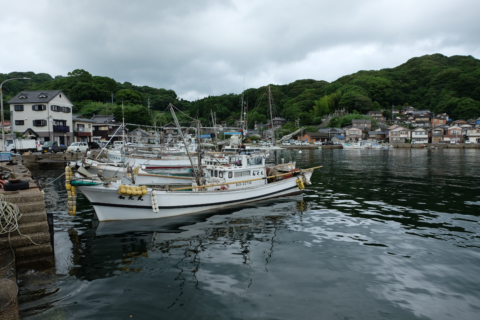
Based on fieldwork in the prefecture of Saga in Northern Kyushu, this chapter by Sonja Ganseforth explores the struggles of small family fishing businesses and cooperatives dealing with global and national transformations since the 1980s. The emergence of buyer-driven global commodity chains in seafood, the proliferation of large supermarket chains and a re-orientation of consumer preferences constitute a profound shift in the seafood business in Japan. Growing resource problems, high input costs and stagnating fish prices contribute to the declining profitability of local coastal fisheries. Drawing on research on rural experiences of globalization as well as critical analyses of development, growth and sustainability discourses, the chapter “Reclaiming the Global Countryside? Decline and Diversification in Saga Genkai Coastal Fisheries” argues that qualitative reform of fishery cooperatives, marketing and resource management is needed to halt socio-economic decline in Japanese coastal fisheries.
This chapter is part of the volume Japan’s New Ruralities. Coping With Decline in the Periphery (Routledge), co-edited by W. Manzenreiter, R. Lützeler, and S. Polak-Rottmann, and draws on Sonja’s research projects on Japan’s Blue Economies and What Is the Local?
New publication on Telehealth Networks in Japan’s Regions
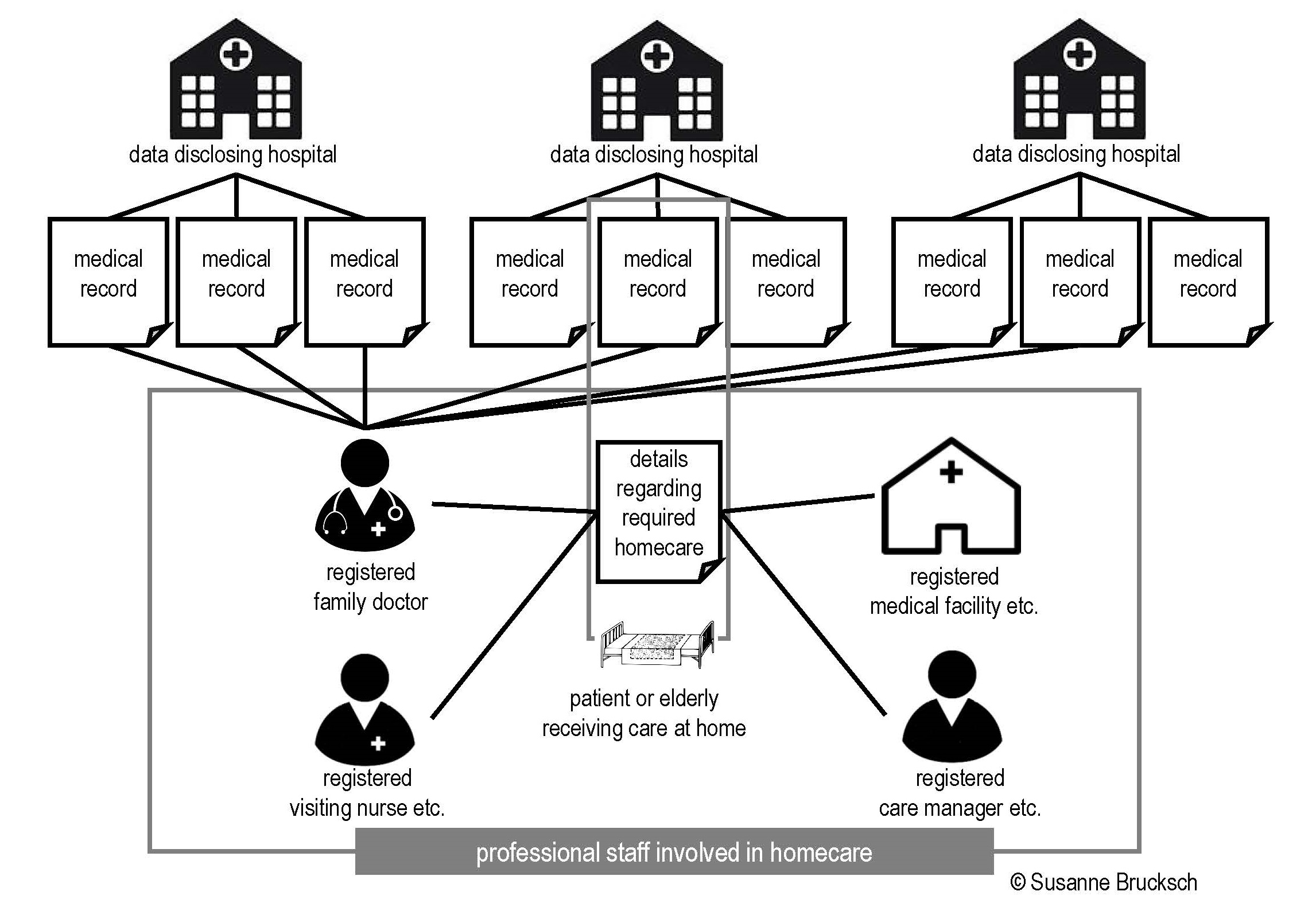 During the ongoing COVID-19 pandemic, telemedicine and telecare receive particular attention as ways to avoid infections and to protect vulnerable groups. In fact, several municipalities and prefectures in Japan have already introduced telehealth networks to link local healthcare institutions and medical practitioners. In her latest publication, Susanne Brucksch examines how these networks promote the establishment of “Regional Integrated Healthcare Systems” and generate synergies between medical and long-term care regarding healthcare staff, services, and infrastructure. The chapter ‘Sustaining Healthcare in Japan’s Regions: The Introduction of Telehealth Networks’ contains findings from an interview study (2017) on two cases regarding the provision of and access to healthcare services, while referring to the theoretical concept of socio-spatial-digital proximity by N. Oudshoorn (2011). Overall, the findings suggest that the telehealth infrastructure is a necessary precondition to promote and to initiate collaboration between various healthcare institutions in order to establish a regional healthcare system.
This chapter is part of the volume Japan’s New Ruralities. Coping With Decline in the Periphery (Routledge), co-edited by W. Manzenreiter, R. Lützeler, and S. Polak-Rottmann, and draws on Susanne’s research projects on Ageing in Japan and Biomedical Engineering in Japan.
新刊のお知らせ:農山漁村についての共著(英語)
 Several DIJ researchers, alumni, and affiliates have contributed to this new publication on political innovations, transformations, and new residents in rural Japan. Sonja Ganseforth examines the decline and diversification in Saga Genkai coastal fisheries, Daniel Kremers (with Thomas Feldhoff) looks at Japan’s energy transformation and its potential for the remaking of rural communities, Susanne Brucksch studies the introduction of telehealth networks in Japan’s regions, and Hanno Jentzsch analyzes the promotion of wine tourism in Yamanashi. Their research is part of the DIJ’s research focus on The Future of Local Communities in Japan.
The volume is co-edited by Wolfram Manzenreiter, former DIJ research fellow Ralph Lützeler, and Sebastian Polak-Rottmann. It is published in the Nissan Institute/Routledge Japanese Studies series and available as hardback, paperback, and eBook.
新刊報告書: 日本の高齢者介護の現場でロボット技術の使い方
 本研究は IGES 研究所・ベルリンの研究の一つとして、ドイツ日本研究所の所長であるフランツ・ヴァルデンベルガーと当研究所の奨学生である朴シウンが調査に携わりました。
調査内容は、概ね3つで、「日本の介護現場でのロボット技術はどのように使われているか」、「現場で働いている人々が高齢者介護において先端技術が持つポテンシャルをどのように評価するか」、そして「ロボット活用が広く普及するための改善点」を中心に構成されています。この3点は、介護現場での労働力不足の解決を考えるには、最も重要であると考えられます。本研究はドイツ連邦経済エネルギー省(BMWi)の委託により行われました。本報告書はドイツ語でまとめられており、こちらにてダウンロードできます。
新刊お知らせ ー 日本における反オリンピック運動 (英語)
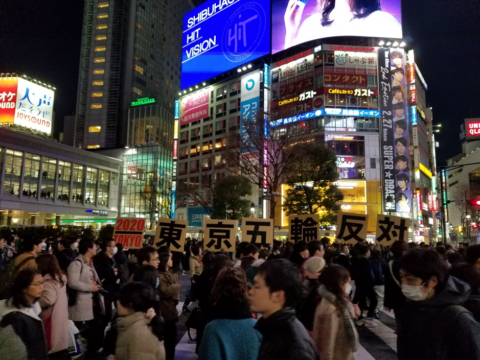 Since the radicalization of some leftist movements in the 1960s and 1970s, political activism in Japan is often met with skepticism or suspicion, and social movements are largely characterized by small and senior membership. Anti-Olympic opposition in Japan is largely sustained by activist veterans from this “invisible civil society”. While this activism may alienate the public, connections to other Japanese social movements are rich, especially to the anti-nuclear movement that has emerged since the 2011 nuclear disaster.
Read more in ‘Anti-Olympic Rallying Points, Public Alienation, and Transnational Alliances’, a contribution by Sonja Ganseforth to the Special Issue on Japan’s Olympic Summer Games in The Asia-Pacific Journal – Japan Focus, edited by Jeff Kingston.
新刊お知らせ ー 東京オリンピックと日本の「新発明」 (ドイツ語)
 Das Jahr 2020 wird in Japan seit Jahren sowohl als Ziel und Neuanfang gehandelt, wenn die Welt für knapp 30 Tage auf das Land und ganz besonders Tokyo schaut. Stellvertretend für das ganze Land erhofft sich Tokyo, als Hauptstadt von „Cool Japan“ und als Veranstalter der technologisch versiertesten Olympischen Spiele wahrgenommen zu werden. Japan will sich als Land präsentieren, das die wirtschaftlichen Auswirkungen der demographischen Entwicklung überwunden und sich wieder an die Spitze der Welt katapultiert hat. In diesem Beitrag blickt Barbara Holthus auf diese Anstrengungen zur Neuerfindung des Landes und wie die Olympischen Spiele hierfür instrumentalisiert werden.



 Follow us on Bluesky

Call for Submissions

Contemporary Japan
current issue Vol. 38, No.2
Contemporary Japan is open year-round for rolling submissions, with accepted publications published immediately online. Please see the instructions for submission here.
DIJ Monograph Series
Our monograph series is  Open Access after a one-year embargo period. Downloads are available on our
→ monographs pages.
道案内
ドイツ-日本研究所
〒102-0094 東京都千代田区
紀尾井町7-1 上智紀尾井坂ビル 2F
道案内
+81 (0)3 3222-5077
+81 (0)3 3222-5420
dijtokyo@dijtokyo.org