イベント&アクティビティ
没・100年 – 夏目漱石
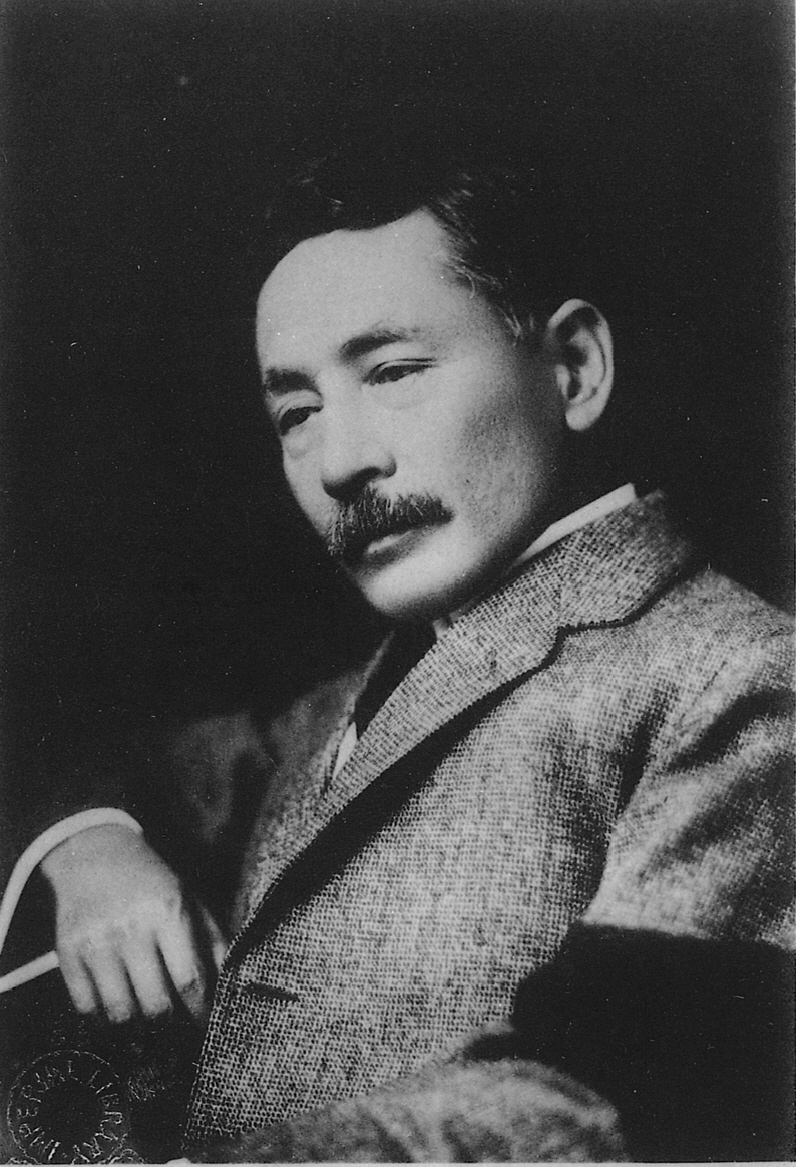
2016年は近代日本を代表する文豪、夏目漱石の没後100年に当たります。
国際文化会館、日仏会館、ドイツ日本研究所の各図書室では、漱石作品の翻訳書や研究書を展示します。この機会に、数々の名作の英語版、フランス語版、ドイツ語版をぜひご覧ください。
Mothers and Social Movements in Postwar Japan
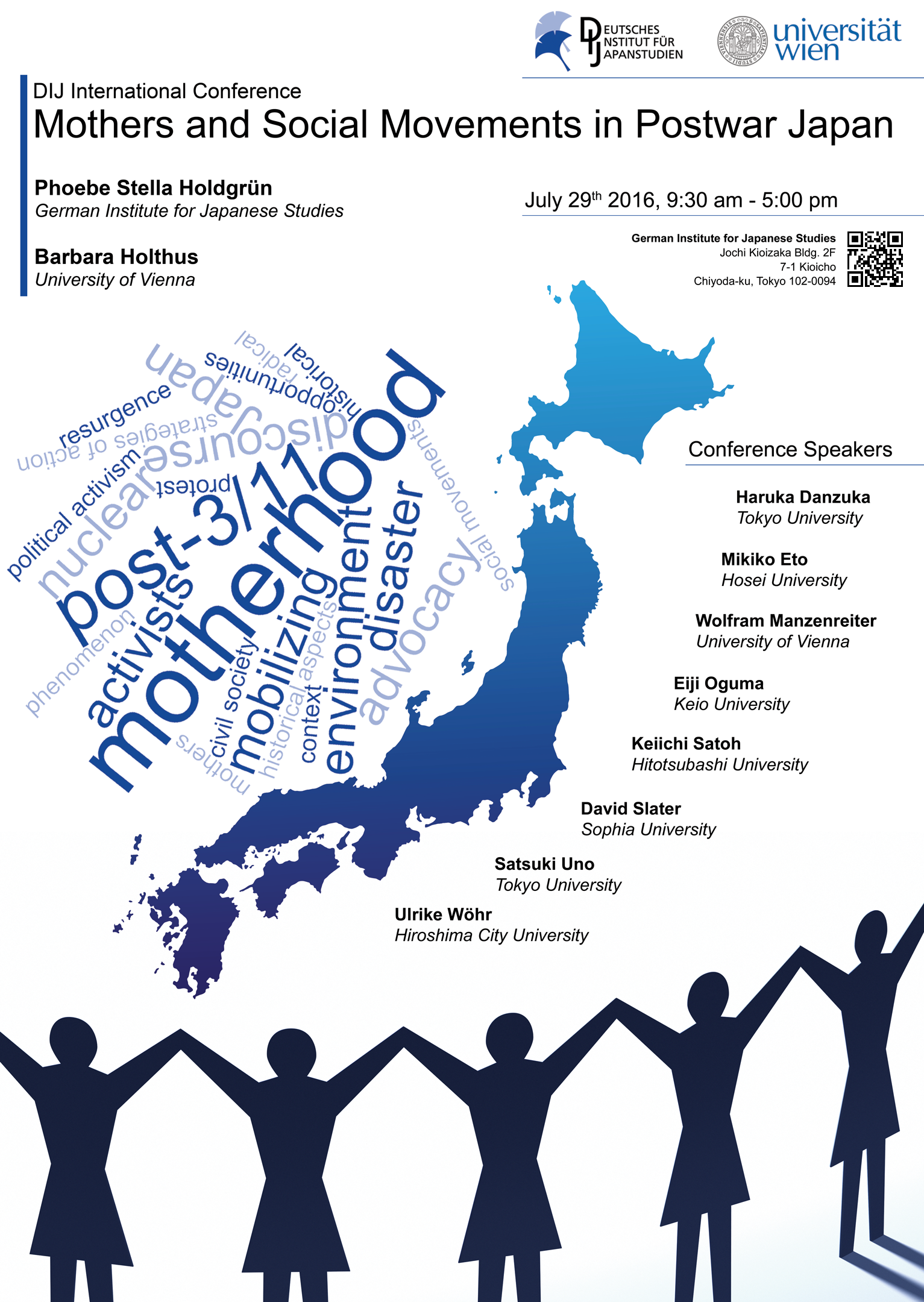 Mothers often play an important role when it comes to social movements and political activism, in Japan and elsewhere.
In this conference, we aim at bringing together several of the researchers who study mothers as activists in social movements in Japan, with a particular focus on, but not limited to, activism after 3.11.
Diversity and Inclusion in the Japanese Workplace
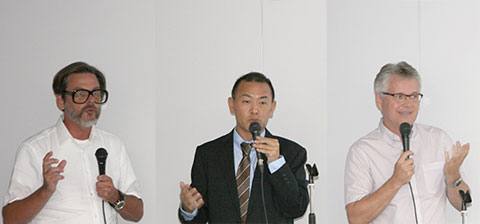 Tomoki Sekiguchi is professor of management at the Graduate School of Economics, Osaka University. His research interests centre on individual behaviour in organizations, organizational justice, person-environment fit, hiring decision-making, management fashion, and international and strategic human resource management.
In his presentation he will report on a growing number of Japanese firms that are hiring non-Japanese employees in their domestic workplace in order to promote uchi-naru kokusaika or internal internationalisation of management.
The presentation will be followed by comments from Sierk Horn and Hendrik Meyer-Ohle.
Five Things You’d Want to Know in Explaining Japan’s Surrender in 1945
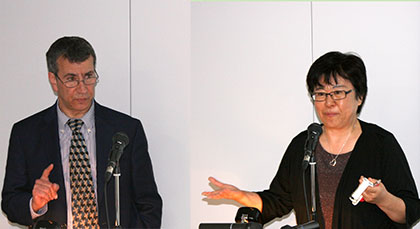 To most Americans, it is perfectly obvious that the two atomic bombs ended World War II. Yet at least four other developments helped persuade Japanese leaders to surrender.
The Soviet Union’s entry into the war against Japan on August 8 may have been more decisive, some historians argue. However, the other three factors are rarely discussed.
Health Care in Japan: How Sustainable is the System?
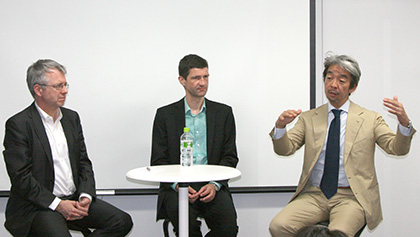 On its surface, Japan’s health system appears to be one of the world’s best. The country provides universal access to health care and scores well on most public health metrics. For example, the Japanese have the longest life expectancy and among the lowest infant mortality rates in the world, and they lose significantly fewer potential life years to disease than do the citizens of almost any other country.
However, Japan’s health system – like those in many other countries – is under severe stress. An increasing number of patients are finding it difficult to obtain the right care at the right time and place. The quality of care delivered varies markedly. Many of the cost-control measures the system has implemented have damaged its cost-effectiveness.
Negotiating “Superstition” and “Religion”: The Case of the “Immoral Heresies Tenrikyō and Renmonkyō” in Meiji Japan
The rise of the so-called new religions (shinshūkyō) amidst Japan’s traditional religions Buddhism and Shintō had attracted much commentary already in the Meiji period, ever since they started vying for official recognition in Denominational Shintō. Research has tended to lock early groups like Tenrikyō and Renmonkyō in the narration of a modern Japan, placing them firmly in the pre-modern and superstitious “enchanted garden” of the Weberian modern “disenchanted” world.
In the context of the critique of modernization theory it is necessary to re-examine the formation of the new religions in the Meiji period.
Meeting the Challenge of Globalization – Comparing Korean and Japanese Global Human Resource Management
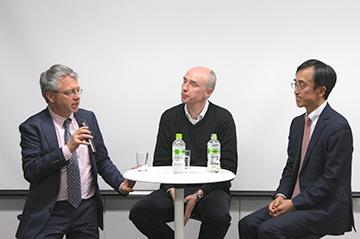 Japan and South Korea are home to numerous multinational firms, particularly in highly globalized manufacturing industries such as automobiles and electronics. Both countries also have distinct business cultures and management systems which arguably lend strong competitiveness to their leading multinationals. However, the business activities of Japanese and Korean firms are increasingly being transferred to overseas locations, resulting in the need to attract, nurture and retain talent from all over the world.
How can firms with strong national roots manage their global human resources competently without giving up their home-grown competitive strengths? How can they effectively integrate managers who neither know the business cultures nor the languages of their firms’ home countries?
Risks and Opportunities in Japan: Local Communities Confronting Demographic Change and Climate Change
The sustainability of Japanese society depends on how we deal with the risks and opportunities in the age of a declining birth rate and an aging population. Securing the future of local communities through innovative ideas and business schemes is being considered as one important strategy. Recently many distinguished social entrepreneurs have tackled and solved the social problems in respective communities with local stakeholders and achieved social change. One related area is renewable energy through its contribution to regional value added.

 Follow us on Bluesky
Call for Submissions

Contemporary Japan
current issue Vol. 38, No.2
Contemporary Japan is open year-round for rolling submissions, with accepted publications published immediately online. Please see the instructions for submission here.
DIJ Monograph Series
Our monograph series is  Open Access after a one-year embargo period. Downloads are available on our
→ monographs pages.
道案内
ドイツ-日本研究所
〒102-0094 東京都千代田区
紀尾井町7-1 上智紀尾井坂ビル 2F
道案内
+81 (0)3 3222-5077
+81 (0)3 3222-5420
dijtokyo@dijtokyo.org