Events and Activities
Disaster, Law and Justice in Japan: In the Tsunami of Debt and Lost Homes
The Great East Japan Earthquake of 2011 unleashed unprecedented tremors and a devastating tsunami, damaging one million buildings and rendering 300,000 victims displaced and dispossessed. Former home-owners and businesspeople found themselves in the position of seeking loans to rebuild and invest, while being unable to pay off pre-disaster mortgages and debts.
Largely unnoticed outside of Japan, this so-called “double-loan crisis” promoted private and corporate insolvency, threatening financial institutions, jeopardising disaster recovery and entrenching social inequality. Treating issues of property insurance, debtor-creditor, social welfare, charity, financial and insolvency law, this paper examines the situation of the tsunami victims from a legal perspective.
Contemporary Japan 28, No. 2
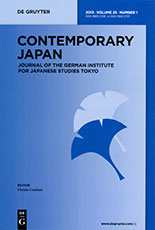
Contemporary Japan is an international peer-reviewed journal edited by the German Institute for Japanese Studies Tokyo (DIJ) and published biannually by de Gruyter, Berlin and New York.
Contemporary Japan publishes in-depth, original work from all disciplines as they relate to present-day Japan or its recent historical development.
High-tech Start-up Ecosystems in East Asian Agglomerations: Are They Different From the West?
 Start-up ecosystems within regional agglomerations have been intensively studied in Western countries, but much less in East Asia. Therefore, little is known about the specific features of East Asian start-up ecosystems.
We study the high-tech start-up ecosystems within four leading East Asian agglomerations: Tokyo, Seoul, Suzhou and Chongqing.
Managing One’s Own Death: The Shūkatsu Industry and the Enterprising Self in an Ageing Society
Japan ranks among the first in the world in terms of average life-expectancy, but its combination of high-age with a low birthrate is gradually turning it into a “society of many deaths” (tashi shakai). With the current change in family structures, the need to make arrangements for one’s own passing is felt by an ever growing number of people. Trying to cash in on this demand, the ailing funeral industry has started to urge individuals to take care of their own future grave, funeral, inheritance, elderly care and property clean-up, promoting these activities under the label “shūkatsu” (end of life activity).
Natsume Sōseki Centennial: Joint Exposition of Books
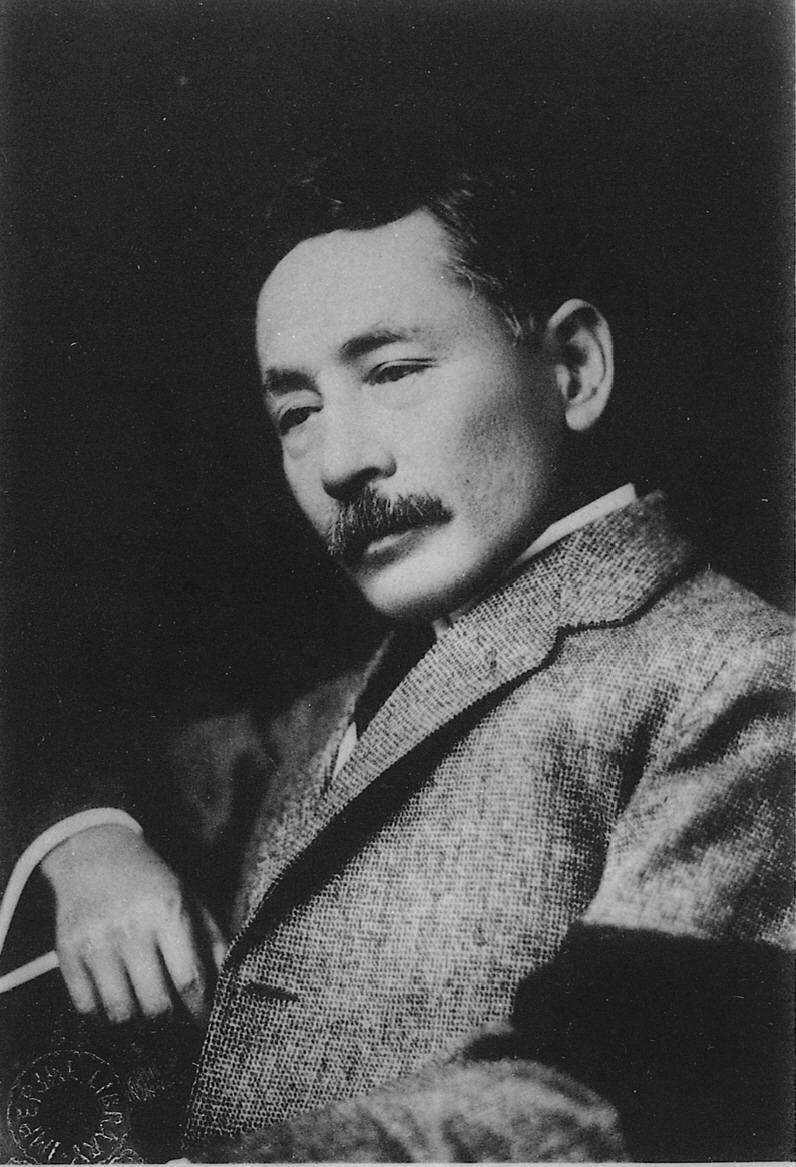
The year 2016 marks the 100th anniversary of the death of Natsume Sōseki, who is considered one of the greatest modern Japanese novelists.
The International House of Japan Library, the Bibliothèque de la Maison franco-japonaise, and the Deutsches Institut für Japanstudien Bibliothek will be displaying translations of Sōseki’s works and critical studies. On this occasion, please enjoy the numerous masterpieces in English, French, and German editions.
Mothers and Social Movements in Postwar Japan
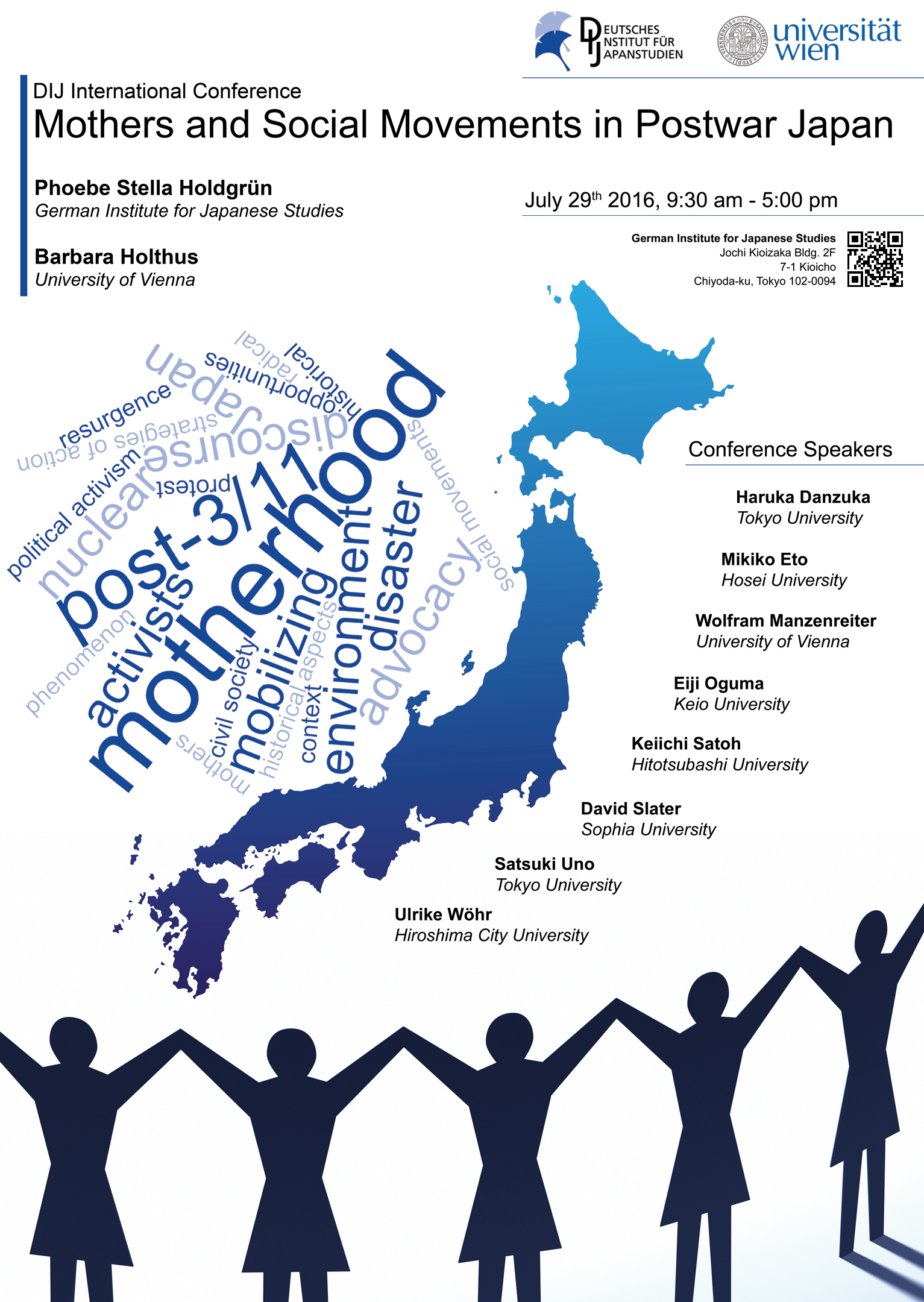 Mothers often play an important role when it comes to social movements and political activism, in Japan and elsewhere.
In this conference, we aim at bringing together several of the researchers who study mothers as activists in social movements in Japan, with a particular focus on, but not limited to, activism after 3.11.
Diversity and Inclusion in the Japanese Workplace
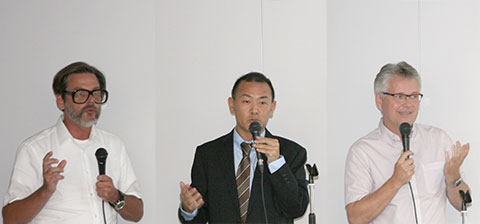 Tomoki Sekiguchi is professor of management at the Graduate School of Economics, Osaka University. His research interests centre on individual behaviour in organizations, organizational justice, person-environment fit, hiring decision-making, management fashion, and international and strategic human resource management.
In his presentation he will report on a growing number of Japanese firms that are hiring non-Japanese employees in their domestic workplace in order to promote uchi-naru kokusaika or internal internationalisation of management.
The presentation will be followed by comments from Sierk Horn and Hendrik Meyer-Ohle.
Five Things You’d Want to Know in Explaining Japan’s Surrender in 1945
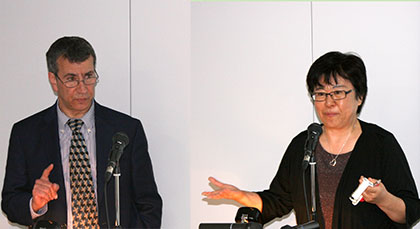 To most Americans, it is perfectly obvious that the two atomic bombs ended World War II. Yet at least four other developments helped persuade Japanese leaders to surrender.
The Soviet Union’s entry into the war against Japan on August 8 may have been more decisive, some historians argue. However, the other three factors are rarely discussed.

 Follow us on Bluesky
Call for Submissions

Contemporary Japan
current issue Vol. 38, No. 2
Contemporary Japan is open year-round for rolling submissions, with accepted publications published immediately online. Please see the instructions for submission here.
DIJ Monograph Series
Our monograph series is  Open Access after a one-year embargo period. Downloads are available on our
→ monographs pages.
Access
DIJ Tokyo
Jochi Kioizaka Bldg. 2F
7-1 Kioicho Chiyoda-ku, Tokyo
102-0094 Japan
Where to find us
+81 (0)3 3222-5077
+81 (0)3 3222-5420
dijtokyo@dijtokyo.org

DIJ-ARI Asian Infrastructures Research Partnership